Adaptive Soundscapes Shape Bet Sizing in Synced Virtual Sports and Casino Interfaces
Anna Lehmann · Jun 13, 2026
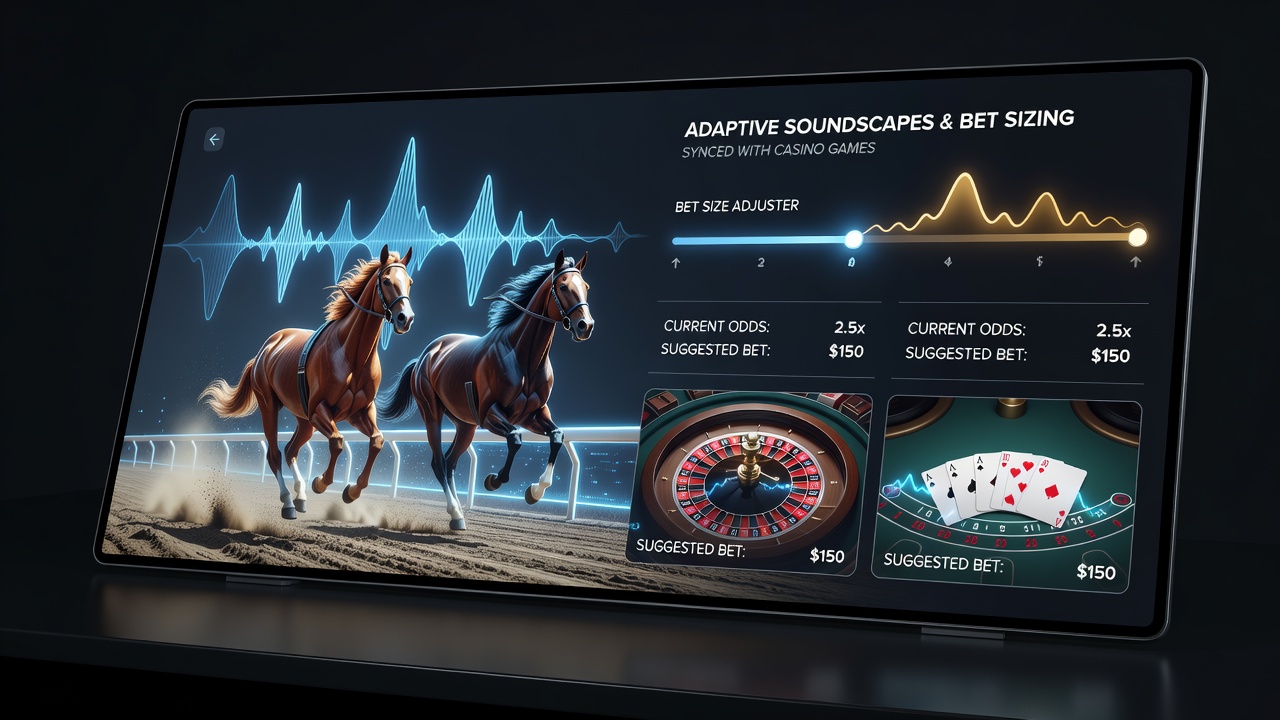
Adaptive Soundscapes Shape Bet Sizing in Synced Virtual Sports and Casino Interfaces
Adaptive soundscapes adjust audio elements in real time based on user activity, game state, and interface events within platforms that combine virtual sports betting with casino titles, and researchers have tracked how these layered audio cues correlate with changes in wager amounts during live sessions. Platforms integrate dynamic sound layers that respond to odds fluctuations in virtual matches while mirroring audio triggers from connected slot or table games, creating a unified sensory environment that operators deploy across mobile and desktop formats.
Mechanics of Adaptive Audio in Integrated Betting Systems
Sound design teams build profiles that shift tempo, volume, and frequency ranges according to bet velocity and outcome sequences, whereas static background tracks remain fixed across unrelated sessions. Data from platform analytics shows that audio intensity often rises during high-volatility periods in synced virtual football or basketball simulations, and this escalation frequently aligns with users increasing stake sizes by increments of 15 to 30 percent within the same minute. Interface logs indicate that players encounter layered crowd noise or synthesized tension motifs when casino game reels align with sports event timers, prompting quicker confirmation clicks on larger bets.
Developers draw from psychoacoustic principles documented in academic studies, such as those published through the University of Nevada's gaming research division, to calibrate frequencies that heighten attention without triggering regulatory flags for excessive stimulation. These adjustments occur through middleware that pulls telemetry from both the sports engine and casino RNG modules, ensuring the audio output remains coherent rather than disjointed across the two verticals.
Observed Patterns in Bet Sizing Behavior
Session data aggregated across multiple operators reveals consistent correlations between specific soundscape transitions and bet adjustments, with users raising stakes more often during ascending musical phrases than during neutral loops. Analysts at industry monitoring firms note that participants in synchronized environments place larger wagers after audio cues that mimic rising crowd energy from virtual stadium feeds, while the same individuals reduce exposure when the soundtrack drops into lower registers following consecutive losses.
One documented pattern involves users who begin sessions at base bet levels and escalate stakes within three to five minutes once adaptive layers introduce percussive elements tied to casino bonus triggers. Figures collected from European and North American platforms during early 2025 testing cycles show average bet size increases of 22 percent in sessions featuring full audio synchronization compared with muted control groups. Regulatory filings from the Nevada Gaming Control Board reference similar telemetry requirements for operators seeking approval of hybrid interfaces, emphasizing transparency in how audio influences decision speed.
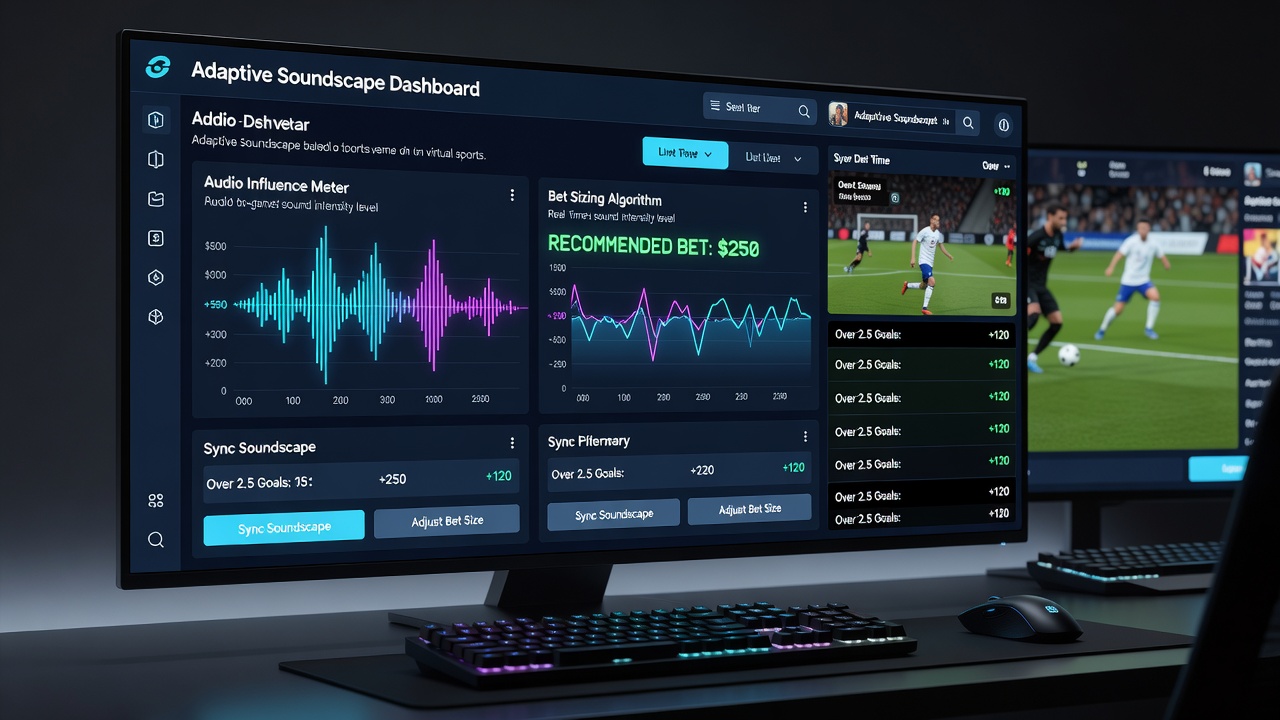
Technical Synchronization Across Platforms
Backend systems employ API bridges that align audio timelines between virtual sports matches and casino rounds, allowing a single sound engine to govern both environments without latency gaps exceeding 80 milliseconds. Operators report that this tight coupling reduces cognitive load for users switching between bet types, and telemetry indicates smoother progression from small exploratory wagers to scaled commitments once the audio narrative builds continuity. Middleware solutions from providers such as those supplying content to Australian and Canadian markets incorporate timestamped event markers that trigger sound changes precisely when virtual player statistics update or when casino reels reach near-miss states.
Testing conducted ahead of planned expansions scheduled for June 2026 incorporates multi-device handoff protocols, where sound profiles carry over from desktop to mobile without resetting intensity curves. This continuity supports extended sessions where bet sizing evolves gradually rather than resetting with each platform shift.
Regulatory and Design Considerations
Authorities in multiple jurisdictions require operators to maintain audit trails that separate audio influence metrics from direct game outcome data, ensuring compliance with fairness standards. Reports from the Australian Communications and Media Authority highlight the need for clear user controls over sound layers, including options to disable adaptive features without affecting core gameplay. Design teams therefore embed toggle settings that preserve bet history while muting dynamic audio, allowing researchers to isolate audio effects in controlled A/B comparisons.
Platform updates scheduled through 2026 aim to refine frequency ranges based on aggregated user interaction logs, focusing on thresholds that maintain engagement without crossing into patterns flagged by responsible gaming algorithms. Industry groups such as the European Gaming and Betting Association continue to publish guidelines that encourage transparent labeling of synchronized features so users understand when audio and betting interfaces operate in tandem.
Conclusion
Current implementations demonstrate measurable links between adaptive soundscapes and bet sizing adjustments within synced virtual sports and casino environments, supported by telemetry from operational platforms and oversight documentation from regional regulators. Continued refinement of audio synchronization tools, combined with data from upcoming 2026 deployments, will further clarify how these systems shape user decisions across integrated interfaces.