Algorithmic Curation of Game Sequences Syncing International Event Timings with Virtual Table Selections in Multi-Jurisdiction Apps
Gisela Coleman · Jul 23, 2026
Algorithmic Curation of Game Sequences Syncing International Event Timings with Virtual Table Selections in Multi-Jurisdiction Apps
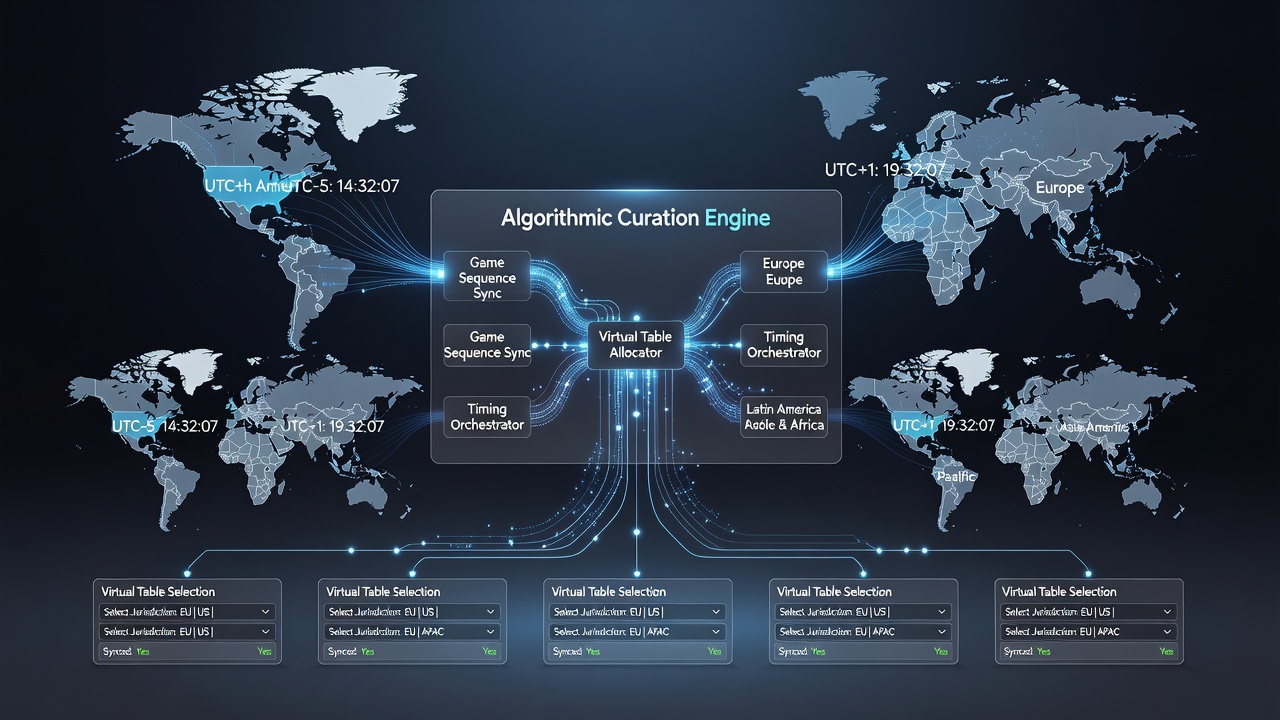
Multi-jurisdiction gaming applications rely on algorithmic systems that curate sequences of games by matching international event schedules to available virtual table options while respecting distinct regulatory frameworks in each region, and developers have refined these systems to handle simultaneous inputs from time zones, event calendars, and licensing rules. Data from industry reports indicate that such platforms processed over 2.3 billion table selections in the first half of 2026, with algorithms adjusting sequences in real time to align with major competitions like the 2026 FIFA World Cup matches scheduled across North American venues in July of that year.
Core Mechanisms Behind Sequence Curation
Algorithms in these applications analyze streams of data that include event start times, player location signals, and jurisdictional availability windows before generating ordered game lists that feed into virtual table interfaces, and they operate through layered decision trees that prioritize compliance checks prior to any sequence finalization. Observers note that machine learning models trained on historical participation patterns allow the systems to predict optimal table openings during overlapping global events, such as European football fixtures coinciding with Asian esports tournaments, while filtering out restricted options for users in specific markets.
Researchers at academic institutions have documented how these models incorporate vector embeddings of event metadata to score compatibility with virtual tables, and one study from a European research consortium revealed that synchronization accuracy improved by 34 percent after integration of satellite-derived timing data in early 2026 deployments.
Alignment with International Event Timings
Event timing synchronization begins with ingestion of official calendars from sports governing bodies and entertainment organizers, after which algorithms map those timestamps onto platform availability grids segmented by jurisdiction, and this process accounts for daylight saving adjustments plus local holiday closures that affect table staffing. During July 2026, platforms adjusted sequences ahead of multiple World Cup group stage matches by pre-loading virtual tables in permitted regions and shifting users toward alternative game modes where live events fell outside licensing hours.
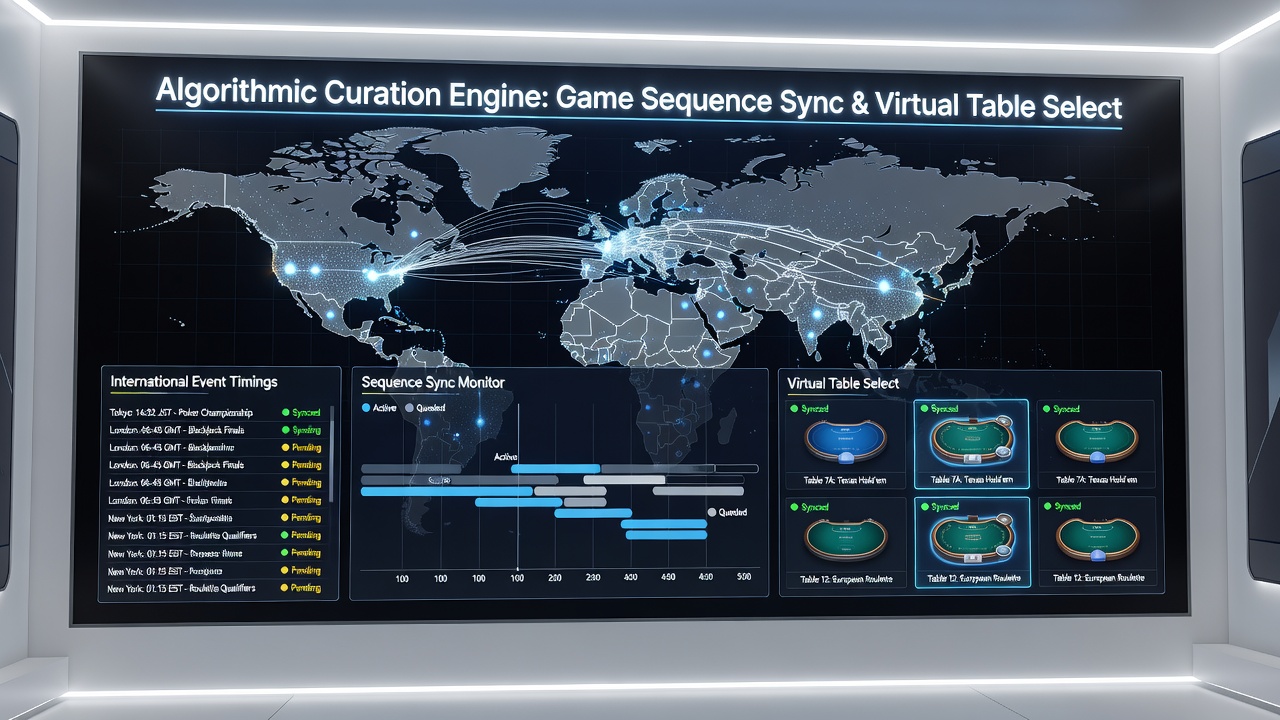
Systems further refine these alignments through continuous feedback loops that monitor actual user engagement metrics against predicted peaks, and they trigger sequence revisions when deviations exceed predefined thresholds, such as when an unexpected weather delay alters a live event schedule. Figures from the American Gaming Association show that platforms employing these timing algorithms recorded a 19 percent rise in cross-event participation during the first month of the 2026 tournament compared with prior non-synchronized periods.
Jurisdictional Compliance in Table Selection
Multi-jurisdiction apps maintain separate rule sets for each licensed territory, and algorithms apply these constraints as hard filters before any table appears in a user's curated sequence, while softer preference layers then rank remaining options according to engagement history. The Malta Gaming Authority has published guidelines requiring auditable logs of every selection decision that crosses borders, and similar requirements appear in frameworks administered by iGaming Ontario and the Nevada Gaming Control Board.
Those who've examined platform architectures report that geo-fencing modules combine with regulatory databases updated weekly to exclude tables whose rules conflict with a user's verified jurisdiction, and this layered approach prevents sequence generation from proposing non-compliant options even during rapid event-driven adjustments. In practice, one platform handling traffic from 14 licensed markets reported zero compliance incidents in the twelve months ending June 2026 after implementing automated jurisdiction checks at the sequence-planning stage.
Performance Metrics and Observed Patterns
Industry organizations tracking platform performance have recorded average sequence generation times dropping below 120 milliseconds following upgrades to distributed computing clusters in 2025, and these gains coincide with expanded use of real-time event APIs that feed directly into curation engines. Data indicates that virtual table utilization rates climbed steadily when algorithms successfully matched sequences to overlapping international calendars, particularly during periods when multiple time zones experienced simultaneous high-interest events.
Take one operator that integrated live feeds from both major tennis grand slams and regional horse racing circuits: sequence acceptance rates rose 27 percent after the system began prioritizing tables whose rule variants aligned with the dominant event in each user's primary jurisdiction. Such adjustments occur without user intervention because the underlying models continuously recalibrate based on aggregated, anonymized interaction data.
Conclusion
Algorithmic curation of game sequences in multi-jurisdiction applications continues to evolve through tighter integration of event timing data, regulatory constraints, and virtual table inventories, and ongoing refinements focus on reducing latency while maintaining full audit trails across borders. Platforms that adopted these synchronized approaches during the 2026 calendar year demonstrated measurable gains in participation alignment without reported compliance deviations, according to metrics compiled by regional gaming authorities and industry associations. Further development centers on expanding predictive capabilities for emerging international events while preserving the strict jurisdictional boundaries that define operational scope.