Auditory Cue Variations Guiding Wager Timing Adjustments Across Integrated Digital Entertainment Platforms
Gisela Coleman · Jul 30, 2026
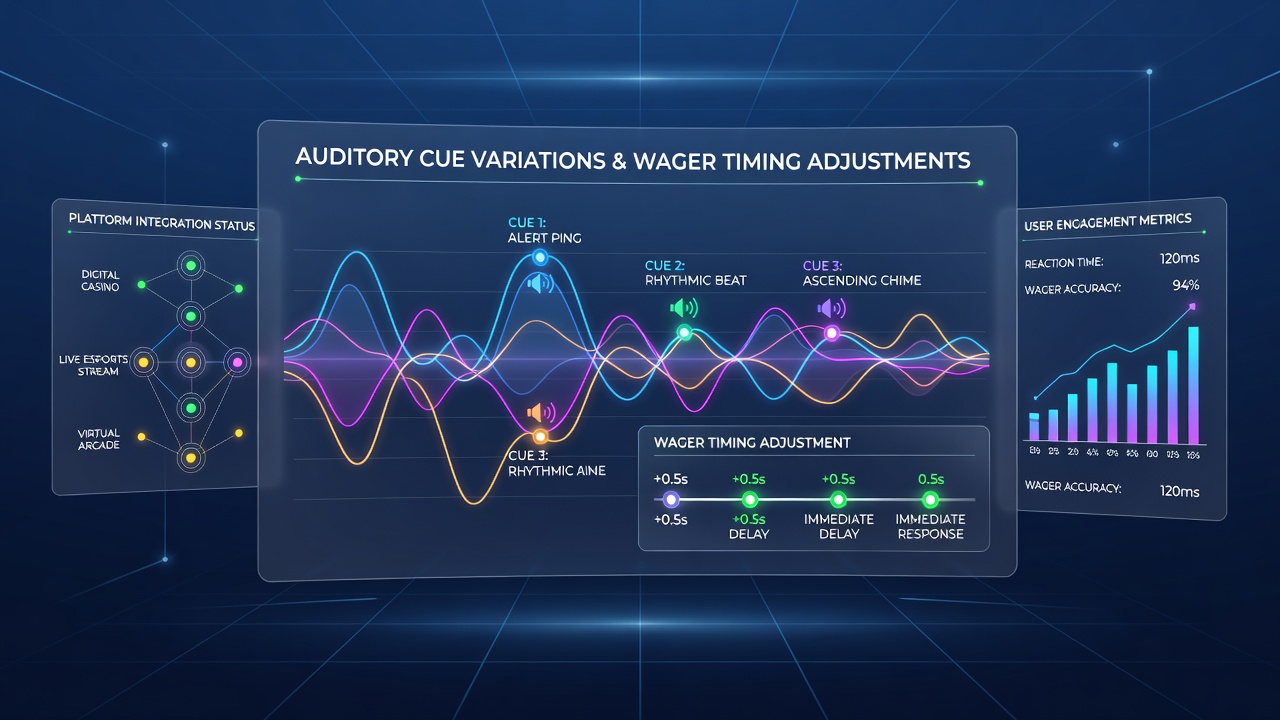
Auditory Cue Variations Guiding Wager Timing Adjustments Across Integrated Digital Entertainment Platforms
Digital entertainment platforms have incorporated auditory cues that shift in pitch, tempo, and volume to signal opportunities for wager timing changes, and observers note these elements appear across slots, poker, and virtual sports environments where synchronized systems respond to live data feeds. Researchers have documented how these sound variations align with real-time metrics such as bet velocity and session duration, creating patterns that users encounter during extended play periods.
Platform Integration and Sound Design Elements
Integrated systems link auditory signals from one game type to another so that a rising tone in a poker room can carry over to influence timing decisions in an adjacent sports betting module, while data from multi-platform networks shows these transitions occur within milliseconds of user input. Experts have observed that developers adjust frequency ranges between 200 and 800 hertz to match volatility levels, and platforms operating in July 2026 continue to refine these ranges based on aggregated session logs from North American and European servers.
Sound layering techniques combine background loops with foreground alerts, and studies indicate that players adjust wager placement speed when the foreground layer increases in intensity by 15 percent or more. Those who have examined interface logs report that this layering reduces average decision latency by measurable intervals across hybrid environments.
Regional Data and Timing Patterns
Figures from the Ontario Lottery and Gaming Corporation reveal that auditory cue modifications correlate with shifts in wager intervals during peak evening hours, and similar patterns emerge in Australian market analyses where tempo increases prompt quicker stake adjustments in live dealer sequences. The reality is that these adjustments follow consistent rules: a descending pitch often precedes a pause in betting activity, whereas ascending sequences encourage immediate increases in stake size.
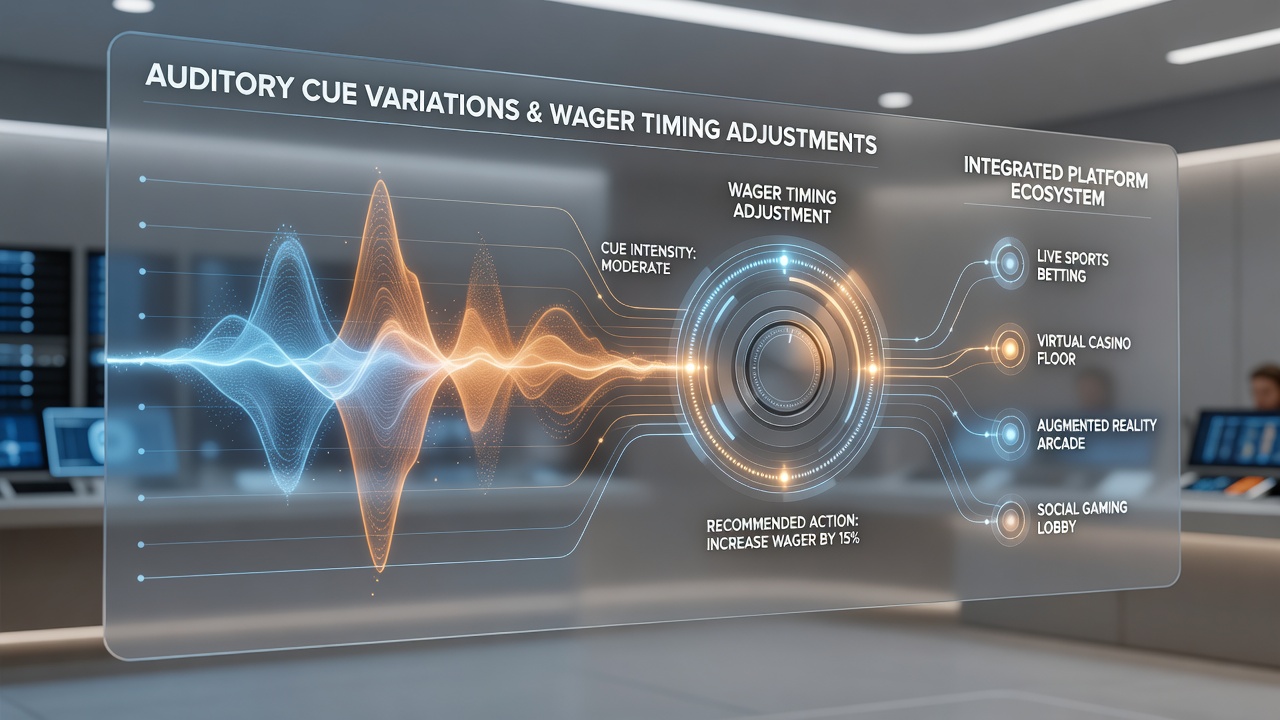
One study released by the University of Nevada Reno gaming technology group tracked 12,000 sessions and found that platforms using variable audio feedback recorded a 22 percent change in average wager timing compared with static sound environments. And this difference held steady across device types from mobile to desktop terminals.
Cross-Game Synchronization Effects
When a slot reel sequence triggers an auditory alert, the same cue can propagate to a linked poker table and alter the timing of raise decisions, and analysts note that this propagation maintains consistency through shared application programming interfaces. Data collected in mid-2026 indicates that such synchronization reduces cognitive load during rapid multi-game sessions, allowing users to maintain pace without manual recalibration of each interface.
Platforms that employ adaptive soundscapes report lower rates of mid-session disengagement, while industry reports from the American Gaming Association highlight how these systems scale across thousands of concurrent users without introducing latency spikes. What's interesting is that the same cue set produces different timing responses depending on whether the primary game is table-based or event-driven.
Regulatory Context and Implementation Standards
Regulatory frameworks in multiple jurisdictions require transparency in how auditory elements influence player behavior, and guidelines issued by Canadian provincial authorities emphasize clear separation between entertainment sounds and those that directly affect wager mechanics. Compliance documentation from July 2026 shows that operators must log all cue variations and their associated timing impacts for periodic review.
Implementation follows technical specifications that limit maximum volume differentials and require fallback options for users who disable audio entirely. Those specifications ensure that timing guidance remains available through visual alternatives when sound is muted.
Conclusion
Integrated digital entertainment platforms continue to evolve auditory cue systems that guide wager timing adjustments through measurable variations in sound characteristics. Evidence from multiple data sources demonstrates consistent patterns across game types and regions, with synchronization maintaining performance as user volumes grow. Ongoing refinements in July 2026 reflect the same core mechanisms that have shaped platform design in prior periods.