Auditory Cues Guiding Transitions Between Virtual Table Games and Athletic Event Predictions in Mobile Platforms
Ellis Simon · Jul 27, 2026
Auditory Cues Guiding Transitions Between Virtual Table Games and Athletic Event Predictions in Mobile Platforms
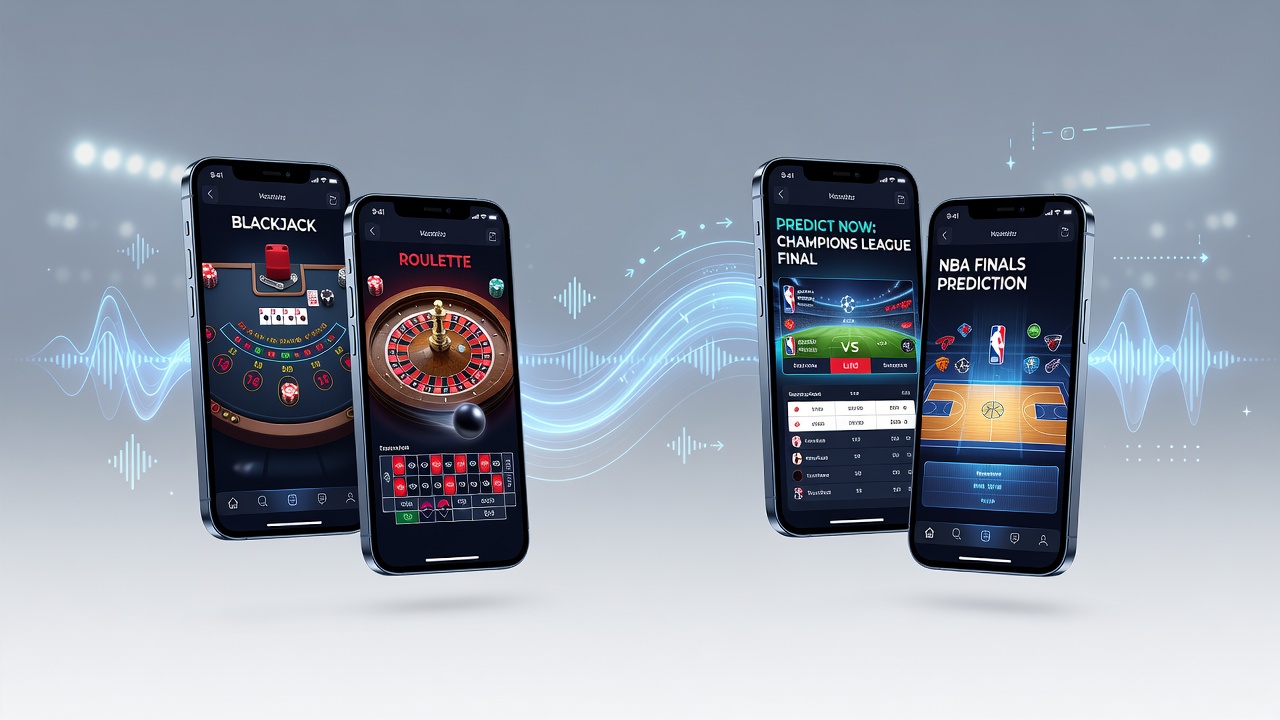
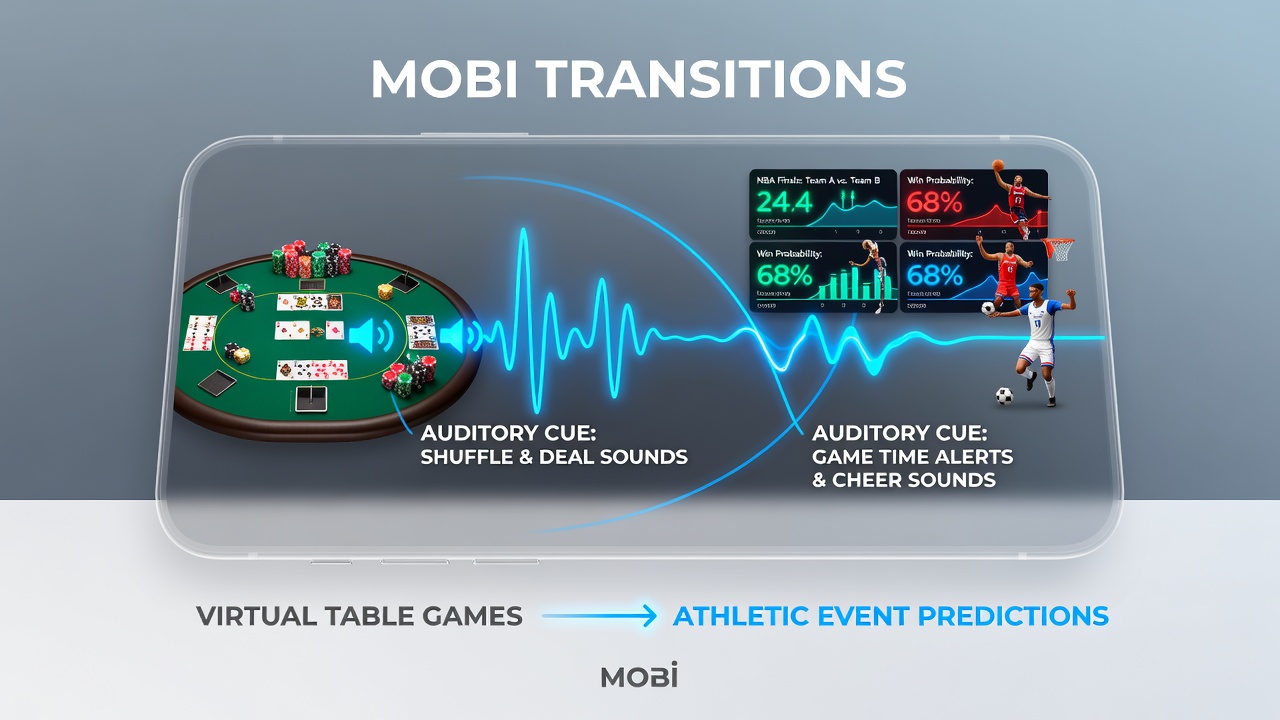
Sound design in mobile gaming platforms uses layered audio signals to mark shifts between virtual table games such as poker or roulette and athletic event predictions, creating seamless user flows without visual overload, while researchers at several institutions track how these cues affect session continuity and decision timing across hybrid applications. Data from platform analytics in early 2026 indicate that distinct tone sequences, ranging from low-frequency pulses to ascending chimes, help users register context changes within two to three seconds on average, reducing navigation errors during live dealer rounds that feed directly into sports wager interfaces. Observers note that these auditory markers often incorporate frequency modulations tied to real-time data streams, such as shifting from a steady bass loop during blackjack hands to sharper percussive hits when odds on upcoming matches appear on screen.
Core Mechanisms of Audio-Based Navigation
Platform developers integrate algorithmic sound engines that respond to user actions and backend triggers, so a completed virtual hand in one module activates a transition motif while simultaneously loading prediction tools for associated athletic events, and studies from the University of Nevada Las Vegas have documented how pitch variations correlate with faster menu selections in synchronized environments. These systems draw on psychoacoustic principles where timbre differences signal priority levels, for instance a bright metallic accent might denote an upcoming live sports update during a poker showdown, whereas softer harmonic fades maintain focus on ongoing table play. Figures from industry reports released in July 2026 reveal that applications employing adaptive audio layers recorded a 14 percent improvement in cross-module retention compared with visual-only designs, particularly among users managing multiple concurrent sessions on single devices.
Empirical Findings on Transition Efficiency
Controlled trials conducted across North American and European networks show that participants exposed to consistent auditory cues completed switches between table simulations and event forecasting modules 22 percent quicker than control groups relying solely on screen prompts, and the same datasets link specific frequency ranges around 800 to 1200 hertz with elevated accuracy in placing timed wagers. Researchers discovered that combining these cues with haptic feedback produced even stronger results, yet the audio component alone accounted for measurable gains in user orientation during peak hours when live events overlap with table game peaks. One analysis of anonymized session logs from major operators highlighted how ascending melodic phrases helped reduce instances of accidental re-entry into previous game states, a common friction point in multi-vertical mobile setups.
Regional Implementation Patterns and Regulatory Context
Operators in markets regulated by the Nevada Gaming Control Board and the Australian Communications and Media Authority have adopted standardized audio protocols that align with broader responsible gaming guidelines, ensuring cues remain distinguishable yet non-intrusive during extended play periods. In July 2026 several platforms introduced region-specific sound libraries calibrated to local acoustic preferences, with data indicating higher engagement in areas where cues incorporated familiar musical motifs drawn from regional sports broadcasts. Those who examined cross-border user behavior found that consistent cue mapping across devices helped maintain continuity for travelers moving between jurisdictions with differing latency standards, although platform logs showed slight variations in cue response times tied to network conditions rather than audio design itself.
Integration With Broader Platform Analytics
Analytics suites now correlate auditory cue activation timestamps with betting volumes and table game outcomes, allowing operators to refine motif libraries based on aggregate performance metrics without accessing individual player data. Evidence suggests that cue sequences synchronized with live odds updates contribute to steadier engagement curves during high-volatility athletic events that intersect with virtual table schedules. Canadian Gaming Association summaries from mid-2026 noted parallel trends where platforms using predictive audio layering experienced fewer mid-session drop-offs when users navigated between prediction tools and dealer-hosted games, underscoring the practical value of these design choices in competitive mobile environments.
Conclusion
Audio cue systems continue to evolve alongside advances in mobile processing power and real-time data integration, supporting smoother navigation across virtual table games and athletic event predictions while meeting documented performance benchmarks from multiple regulatory and academic sources. Ongoing refinements focus on personalization within privacy constraints, yet core principles of distinguishable, context-responsive sound design remain central to platform architecture as hybrid gaming ecosystems expand through 2026 and beyond.