Biometric Feedback Loops Guiding Real-Time Adjustments in Hybrid Table Game and Athletic Prediction Interfaces
Anna Lehmann · Jun 18, 2026
Biometric Feedback Loops Guiding Real-Time Adjustments in Hybrid Table Game and Athletic Prediction Interfaces
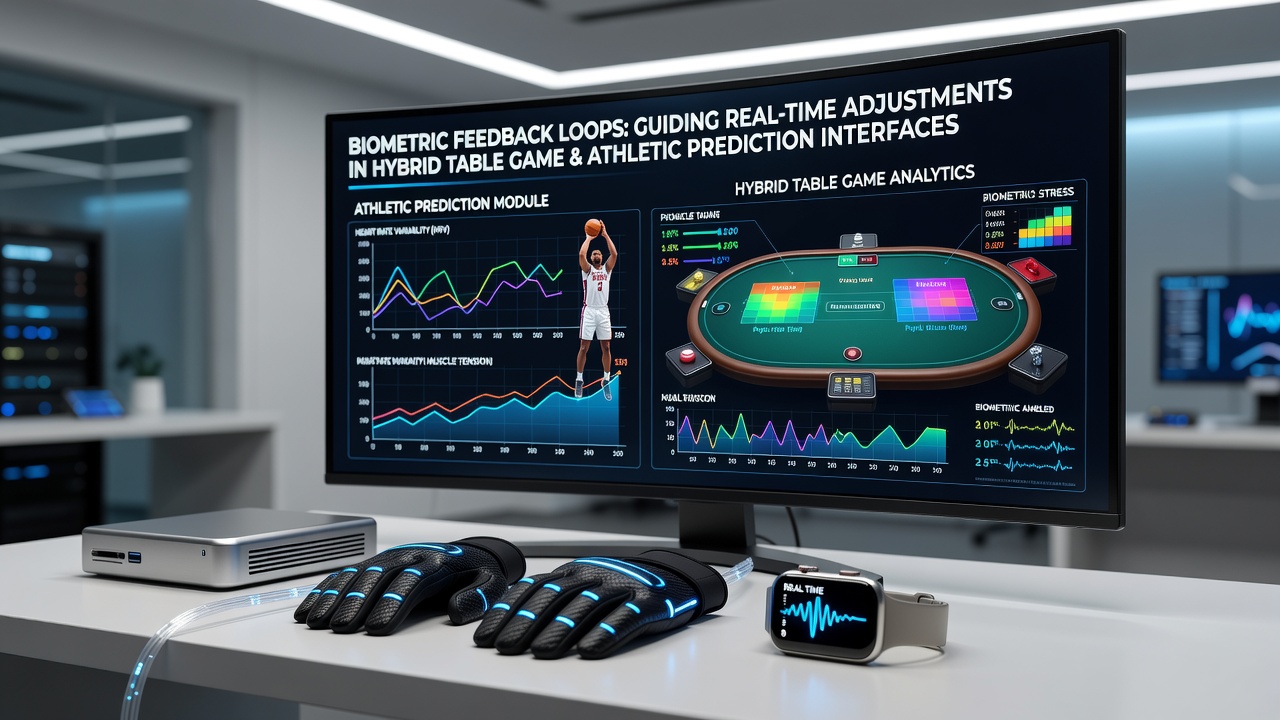
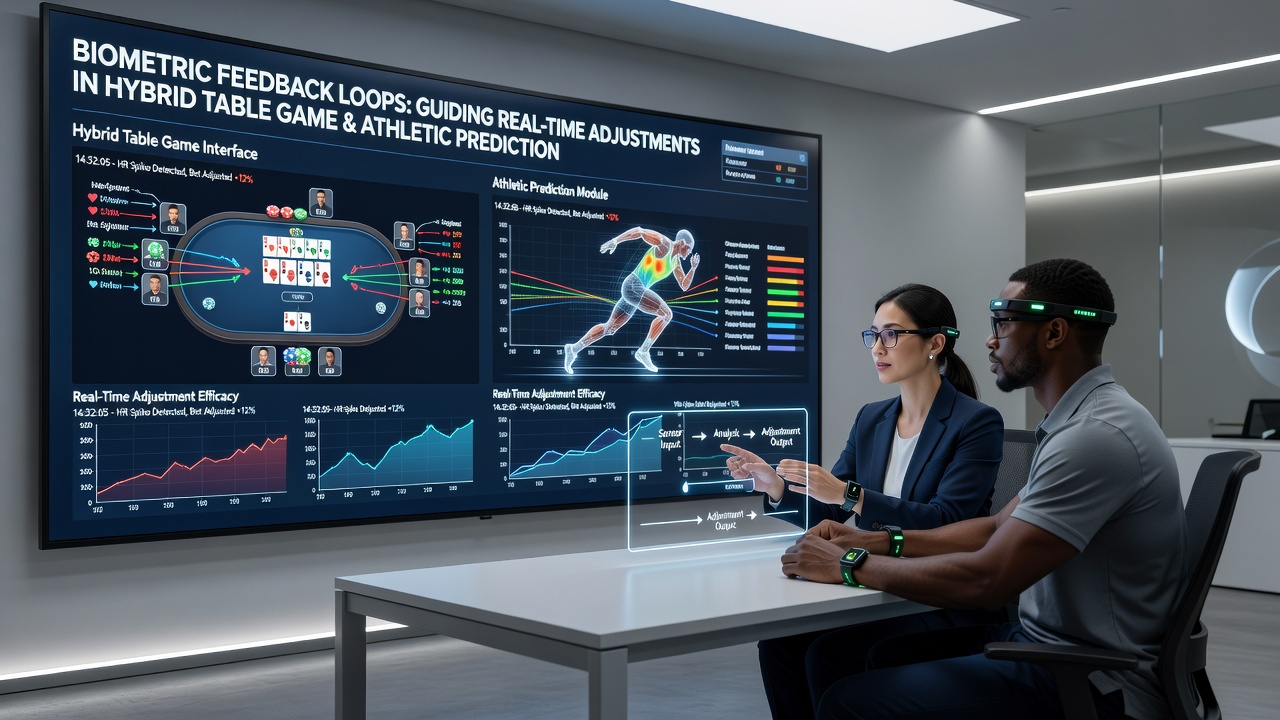
Biometric feedback loops now connect wearable devices directly to hybrid platforms that combine table games with athletic prediction tools, and these systems collect heart rate, skin conductance along with eye movement data to trigger immediate interface changes during live sessions. Researchers at institutions tracking gaming technology note that such loops allow platforms to modify displayed odds, suggested bet sizes or visual layouts based on physiological signals without requiring manual input from users. Data from integrated sensors feeds into algorithms that process inputs within milliseconds, and this process creates closed circuits where detected stress markers prompt reduced animation speeds or highlighted risk indicators on screen.
Core Mechanisms Driving Adjustments
Table game elements like blackjack or poker hand tracking merge with athletic prediction modules covering sports events, and biometric signals determine how information appears across both sections simultaneously. When elevated heart rates register during high-stakes poker decisions, the system may enlarge probability charts for upcoming athletic matches or dim non-essential graphics to maintain focus. Studies conducted by teams at the University of Nevada Reno have documented similar patterns in controlled environments, and findings reveal consistent correlations between galvanic skin response spikes and subsequent shifts in interface priority settings. Athletic prediction interfaces receive parallel updates, so a user viewing combined dashboards sees adjusted timelines or probability ranges that reflect current biometric states rather than static defaults.
Integration Patterns Observed in 2026 Deployments
June 2026 brought expanded testing of these loops across multiple jurisdictions, and regulatory filings show operators incorporating sensor APIs into existing mobile and desktop applications. Platforms synchronize biometric streams with game state engines, which means a sudden drop in user engagement metrics during a roulette spin can activate predictive overlays for linked sports markets. Industry reports from the American Gaming Association detail how operators track these adjustments through anonymized aggregate datasets, and the figures indicate measurable changes in session duration when feedback loops remain active. Hybrid interfaces further link table game outcomes to athletic forecasts, so biometric confirmation of user calm states may expand comparative analytics panels that draw from both domains at once.
Technical Components Supporting Real-Time Responses
Sensor arrays embedded in headsets, wristbands and camera arrays capture continuous streams, and processing units apply threshold-based rules to initiate changes. Eye-tracking components detect prolonged focus on specific table positions, which then triggers corresponding athletic prediction highlights that align with those interests. Software layers handle data encryption and transmission compliance according to standards outlined by bodies such as the Malta Gaming Authority, and these protocols ensure biometric information routes only to adjustment engines rather than storage repositories. Latency measurements reported in technical evaluations stay below 150 milliseconds for most adjustments, allowing seamless transitions between table game views and athletic forecasting panels.
Regulatory and Data Handling Developments
Authorities in multiple regions have updated guidelines around biometric processing in gaming contexts, and June 2026 updates from the Canadian Gaming Association emphasized consent mechanisms for sensor data use. Operators must present clear opt-in flows before loops activate, and compliance documentation requires disclosure of which specific signals influence interface behavior. Research publications from IEEE-affiliated groups have examined privacy implications of these real-time systems, and the papers describe encryption methods that isolate individual readings from broader analytics pools. Athletic prediction components receive the same scrutiny, so any biometric-driven changes to sports-related forecasts follow identical consent and audit trails as table game modifications.
Observed Effects on User Interaction Patterns
Platform analytics collected during 2026 pilots show shifts in how participants navigate combined table game and athletic sections when loops operate. Users exhibiting stable biometric baselines encounter expanded option menus that blend poker hand histories with live sports correlations, whereas fluctuating readings prompt simplified views focused on single decisions. Observers at trade events note that these adaptations occur without disrupting game flow, and synchronization between table elements and prediction modules maintains consistent pacing across both areas. Data aggregation from multiple sessions allows operators to refine threshold values, and ongoing calibration draws from anonymized records that span different geographic markets.
Future Expansion Pathways
Developers continue exploring additional sensor inputs such as voice stress analysis and posture detection for deeper loop integration, and preliminary models suggest these could further tailor athletic prediction timelines to individual physiological rhythms during extended table game play. Cross-platform compatibility efforts aim to extend the same feedback mechanisms from dedicated terminals to personal devices, and testing schedules announced for late 2026 include expanded trials in regulated markets. The combination of table game precision with athletic forecasting creates environments where biometric signals guide unified decision support across previously separate categories.
Conclusion
Biometric feedback loops have established measurable pathways for real-time interface adjustments within hybrid table game and athletic prediction environments, and documented deployments through June 2026 demonstrate functional integration across technical, regulatory and operational layers. Continued refinement of sensor thresholds and data handling practices supports ongoing evolution of these systems in licensed markets worldwide.