Cultural Festivals Reshaping Player Migration Patterns Across Digital Gaming Networks
Harper Schmidt · May 23, 2026
Cultural Festivals Reshaping Player Migration Patterns Across Digital Gaming Networks
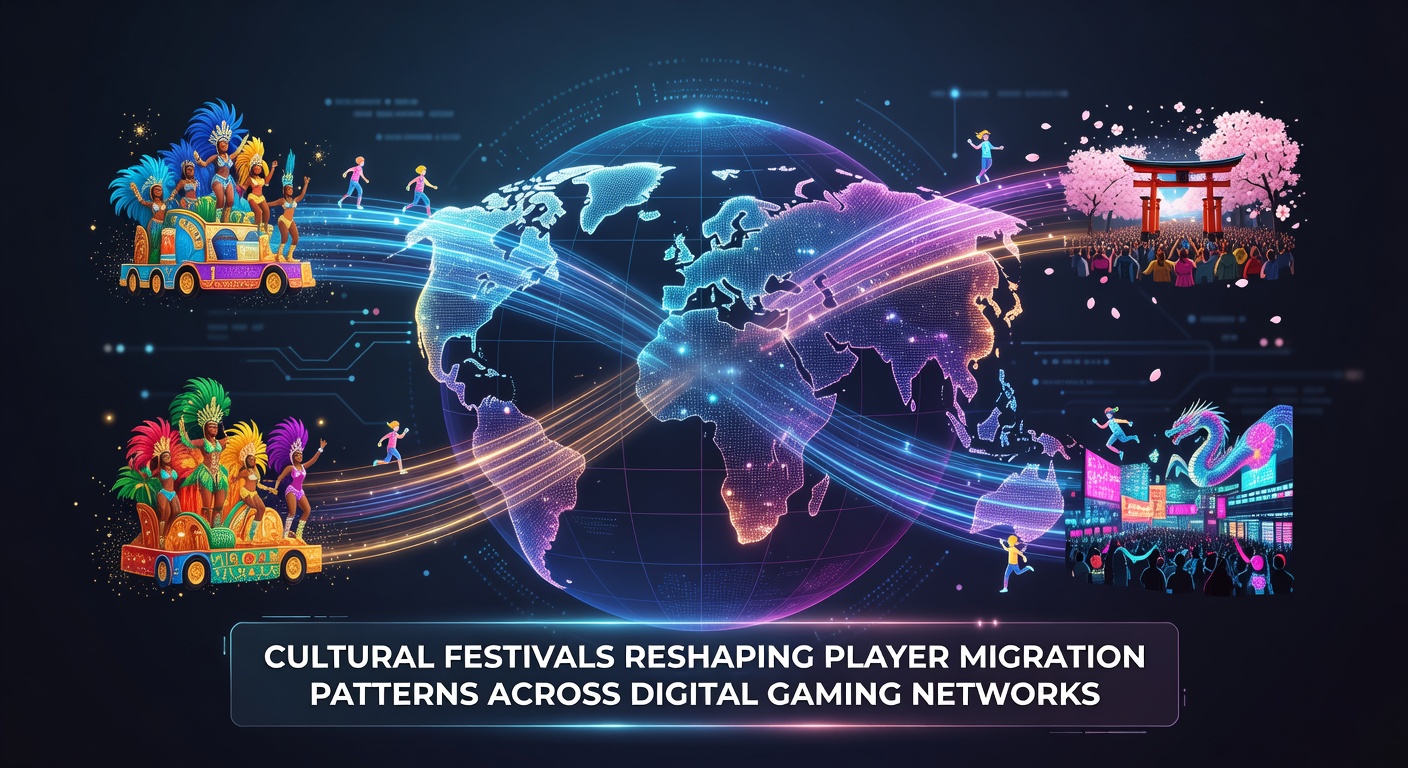
Digital gaming networks have recorded measurable shifts in player locations during major cultural festivals, with data from multiple regions showing how events like Lunar New Year and Carnival redirect traffic across servers in Asia, South America and Europe. Researchers tracking login patterns through anonymized IP data note that these movements often align with real-world celebration schedules rather than random fluctuations in daily activity.
Festival Timelines and Server Traffic Changes
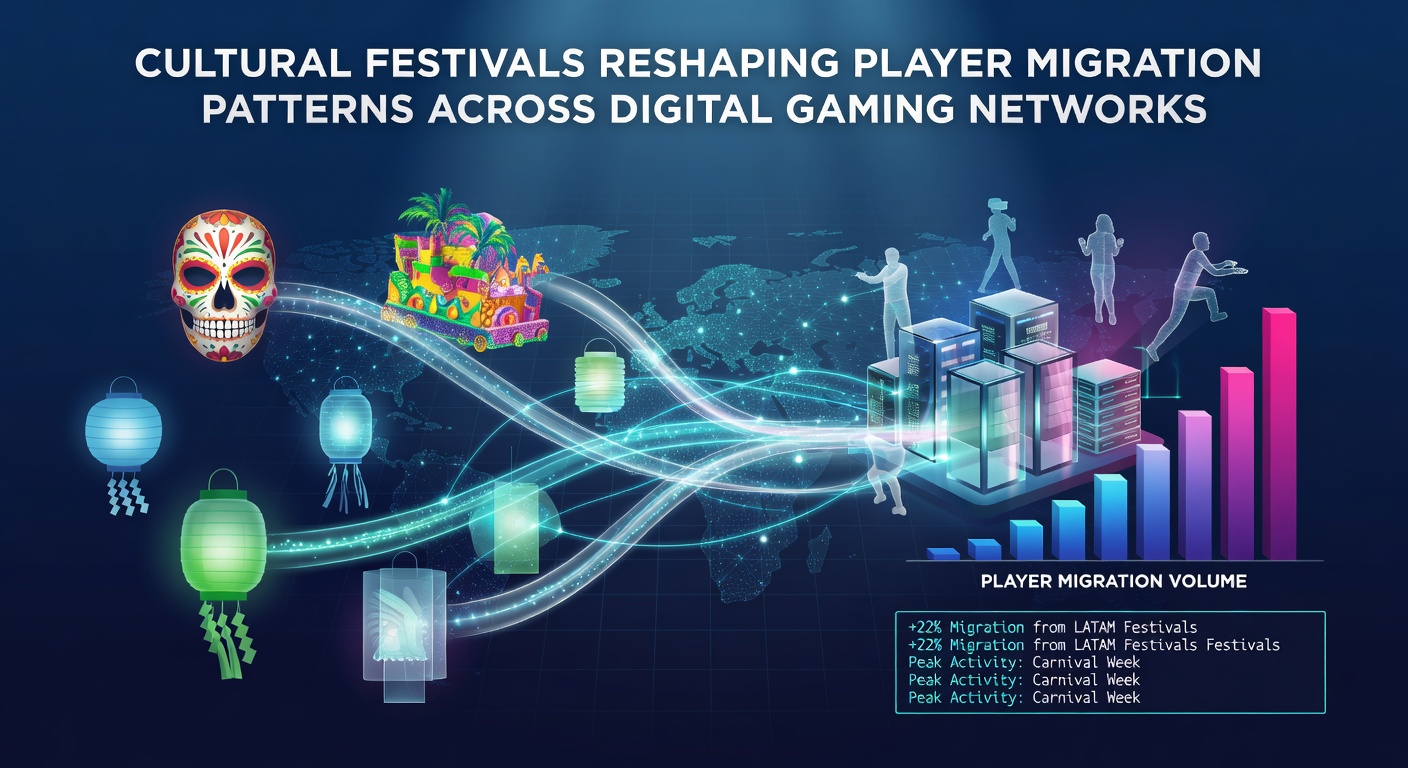
Studies compiled by academic teams at institutions in Canada and Australia demonstrate that players frequently relocate to servers hosting event-specific content during peak festival periods, which creates temporary spikes in certain time zones. For instance, networks supporting massively multiplayer titles see increased connections from East Asian regions around Lunar New Year celebrations, while South American servers experience comparable upticks during Carnival weeks. These patterns emerge because game developers integrate festival-themed quests and rewards that draw participants who would otherwise remain on home servers.
Traffic analysis tools used by network operators reveal that migration rates rise by double-digit percentages in the days leading up to festival starts, then taper once celebrations conclude. Observers note that this behavior repeats annually, allowing predictive models to allocate server resources ahead of time. In May 2026, planners anticipate similar adjustments around regional spring festivals that coincide with school holidays in multiple countries.
Regional Examples Driving Cross-Network Movement
One documented case involves players from Southeast Asia shifting to European-hosted realms during Diwali periods, drawn by collaborative events that reward cross-cultural participation. Another pattern appears in North American networks during Oktoberfest windows, when German-language servers attract temporary influxes from diaspora communities. These movements do not represent permanent changes but rather cyclical adjustments tied directly to calendar dates.
Industry reports from the Infocomm Media Development Authority in Singapore track how mobile gaming applications experience parallel shifts, with users downloading region-specific updates that encourage logins on particular clusters. The same data sets show that latency-sensitive games prompt players to select closer servers during high-traffic festival windows to maintain performance levels.
Technological Infrastructure Supporting These Shifts
Cloud-based gaming architectures facilitate rapid server handoffs, allowing accounts to move without losing progress or inventory. Developers implement dynamic matchmaking algorithms that recognize festival-driven demand and route players accordingly. Network monitoring from European regulatory bodies has confirmed that these systems reduce congestion during peak events while preserving overall stability across the broader infrastructure.
Additional research conducted through partnerships between universities in Brazil and South Korea highlights the role of social features, such as guild events and live streams, in accelerating migration. Players coordinate through external messaging platforms to converge on servers where friends or popular streamers participate in festival activities. This coordination produces concentrated activity clusters that last for several days before dispersing.
Data Patterns and Predictive Modeling
Figures released by gaming analytics firms indicate that migration volume correlates strongly with festival scale and media coverage. Larger events generate broader geographic spread, while localized celebrations produce more contained shifts. Predictive models now incorporate public holiday calendars from dozens of countries to forecast server loads months in advance.
Those who manage global networks adjust capacity and content distribution based on these recurring indicators. The approach minimizes downtime and supports consistent player experiences regardless of where participants connect from during festival seasons.
Conclusion
Cultural festivals continue to influence player distribution across digital gaming networks through predictable, data-supported patterns. As developers refine event integration and infrastructure adapts to seasonal demands, these migration cycles remain a measurable component of network management worldwide. Ongoing tracking through 2026 and beyond will likely refine existing models further.