Gesture Controls in Hybrid Apps Reshaping Wager Timing Across Poker, Slots, and Event Predictions
Ellis Simon · Aug 22, 2026
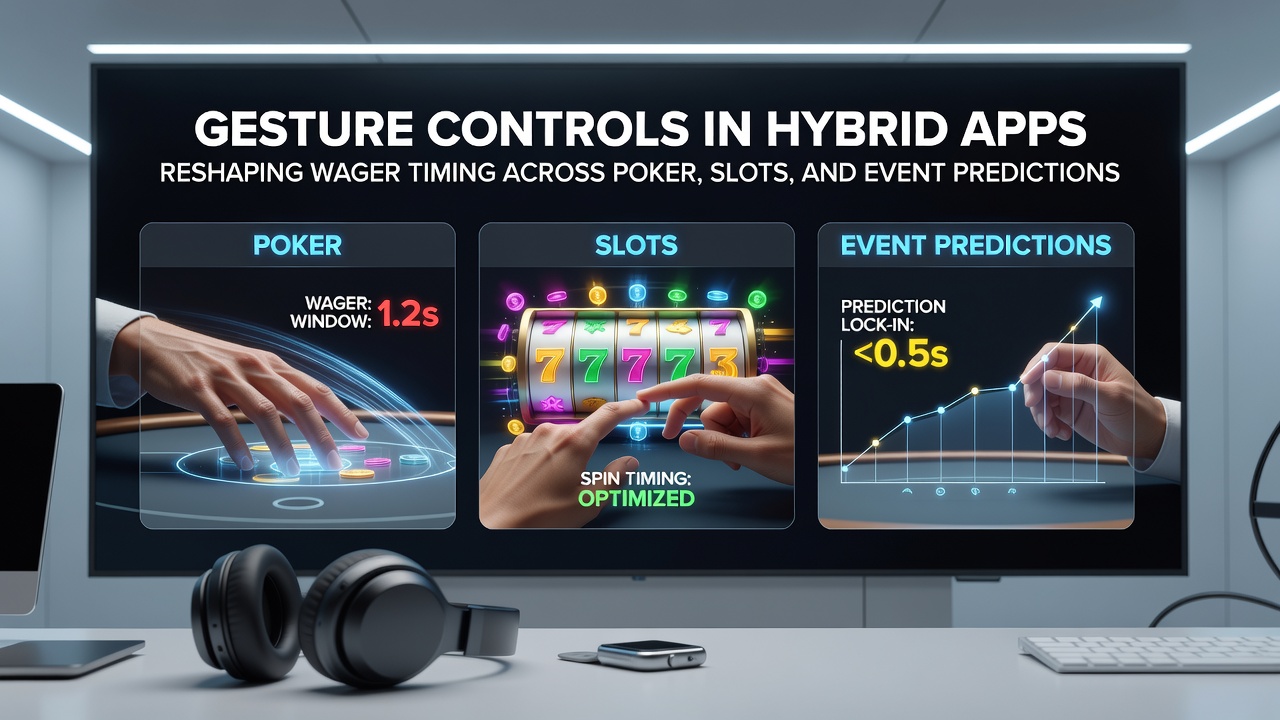
Gesture Controls in Hybrid Apps Reshaping Wager Timing Across Poker, Slots, and Event Predictions
Hybrid apps now combine traditional casino games with live event predictions, and gesture controls have started altering how players place wagers in real time. Developers integrate swipe, tap, and tilt functions that reduce the steps between decision and confirmation, which changes timing patterns across poker tables, slot reels, and sports or prediction markets. Research from the University of Nevada Reno indicates that these interfaces cut average wager placement intervals by measurable margins in controlled tests conducted through 2025.
Players execute actions through device sensors rather than repeated screen taps, and this setup connects directly to backend timing engines that process bets faster during live rounds. In poker modules, a flick gesture can raise or fold without opening separate menus, while slots respond to horizontal swipes that adjust bet multipliers or trigger spins. Event prediction sections allow quick confirmation on outcomes like match results or point spreads through similar motions, and synchronization across these features keeps timing consistent when users switch between game types.
Mechanics Behind Gesture Integration
Hybrid frameworks pull data from accelerometers and touch layers to interpret gestures as commands, then route those signals to the shared wagering server. One study released in early 2026 tracked response times across platforms and found that gesture inputs shortened confirmation windows compared with traditional button sequences. Developers map common actions such as bet sizing or auto-spin activation to intuitive movements, which reduces cognitive load during fast-paced sequences in both poker and prediction markets.
August 2026 brought updates to several major hybrid platforms that refined gesture sensitivity for different device models, and these changes aligned with new testing protocols from Canadian provincial regulators. The adjustments addressed variations in screen size and sensor calibration, allowing smoother transitions when users moved between slots and live event betting within the same session.
Timing Shifts in Poker Environments
Poker rooms within hybrid apps use gesture systems to handle pre-flop decisions and river bets without pausing the action for menu navigation. Data from platform analytics shows that average decision windows dropped when players adopted swipe-to-raise mechanics, particularly in multi-table tournaments where timing pressure increases. Observers note that these controls integrate with existing clock systems, so the software still enforces standard betting intervals while the input method itself accelerates execution.
Case examples from European operators illustrate how gesture layers sync with table timers, giving players the same strategic window but fewer physical steps to complete an action. Researchers tracking adoption rates reported higher consistency in wager timing across sessions that mixed poker with adjacent prediction features.
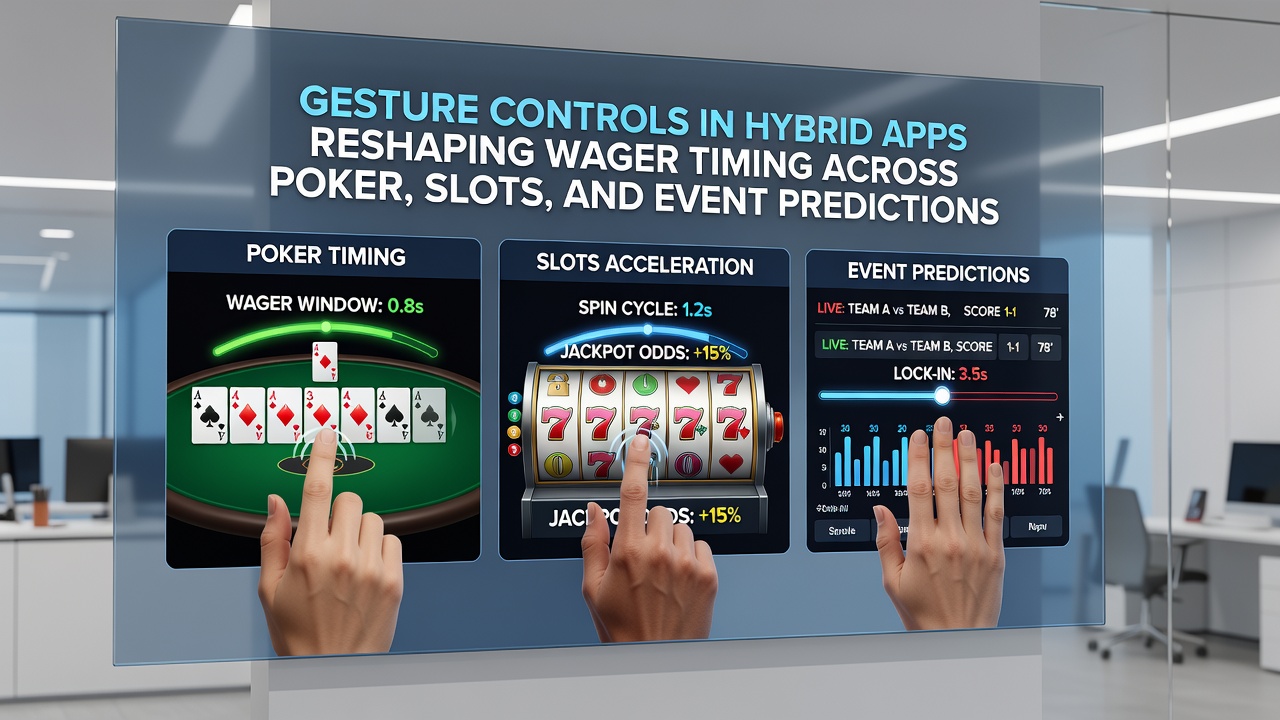
Application to Slot Play and Event Predictions
Slot sections translate vertical or circular gestures into reel spins and stake changes, which shortens the interval between rounds when players adjust lines or multipliers on the fly. Figures from industry reports compiled by the Australian Communications and Media Authority reveal that gesture-enabled sessions produced steadier betting rhythms compared with touch-only versions in monitored trials. Event prediction modules apply similar logic to live markets, letting users confirm wagers on outcomes through quick tilts or pinches that register before odds shift.
Hybrid systems link these controls across game types so that a player finishing a slot session can move directly into an event market without resetting input preferences. This continuity maintains timing advantages when sessions involve rapid switches between mechanical games and predictive betting.
Broader Platform Effects and Data Patterns
Analytics platforms record how gesture timing influences overall session length and wager frequency, with aggregated numbers showing tighter clustering of bets around peak activity periods. Regulatory updates in multiple jurisdictions now require disclosure of input method effects on game fairness, and several operators released compliance reports in mid-2026 that included gesture-specific metrics. Those reports link faster input methods to stable house-edge calculations because the underlying random number generators and odds engines remain unchanged.
Developers continue refining gesture libraries to handle edge cases such as accidental inputs during travel or multi-device handoffs, and these refinements appear in patch notes across leading hybrid titles. The result keeps wager timing predictable even as input methods evolve.
Conclusion
Gesture controls have become a standard component in hybrid apps that span poker, slots, and event predictions, directly affecting how quickly wagers register once a decision forms. Platform data and regulatory filings document the shift in timing patterns without altering core game mathematics, while ongoing refinements in August 2026 and beyond address device compatibility. Those who monitor these systems continue to track how input innovations interact with established betting intervals across integrated environments.