How Currency Exchange Rate Fluctuations Affect Player Retention in International Gaming Services
Ellis Simon · Jun 22, 2026
How Currency Exchange Rate Fluctuations Affect Player Retention in International Gaming Services
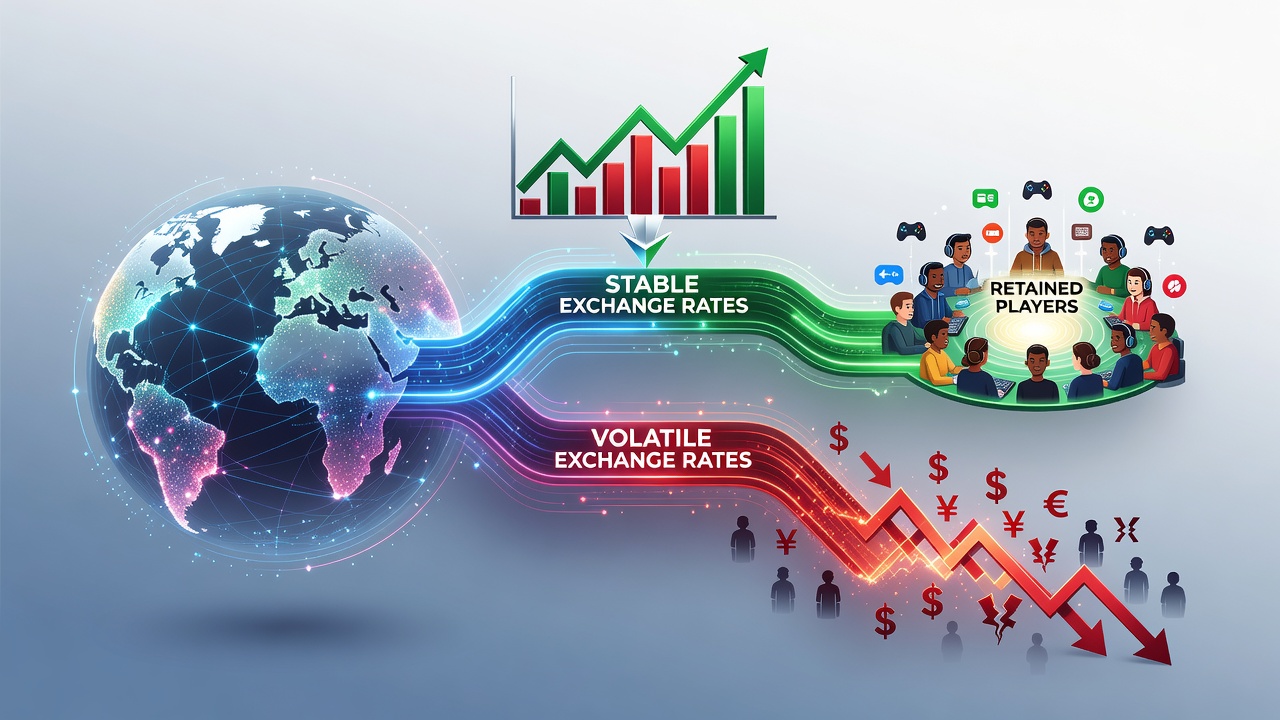
Exchange rate movements create direct shifts in the real cost of participation for players who access gaming platforms from outside their home currency zones, and operators track these patterns through deposit volumes and session lengths across multiple regions. When a local currency depreciates against the platform's base denomination, players often encounter higher effective prices for the same in-game credits or entry fees, which leads to measurable drops in repeat engagement according to aggregated transaction data from cross-border services.
Core Mechanisms Linking Rates to Retention
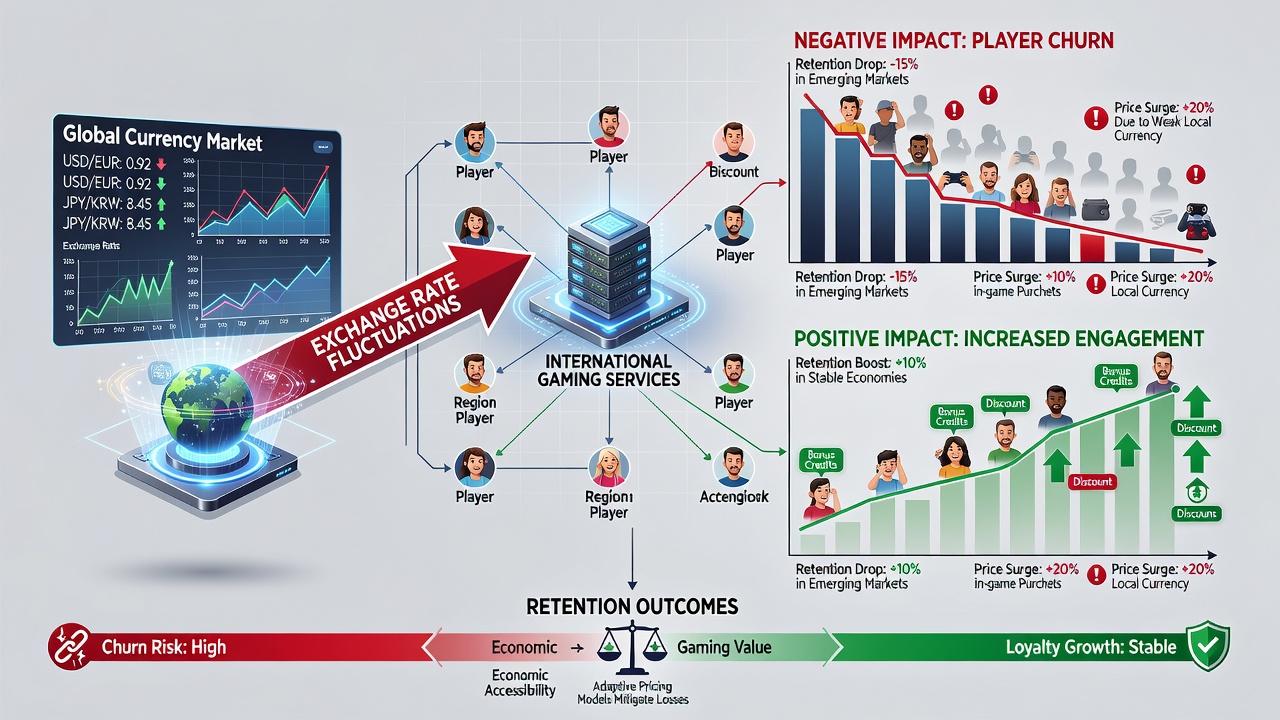
Platforms convert player funds at prevailing market rates during deposits and withdrawals, so volatility in pairs such as the euro against the Brazilian real or the Australian dollar against the Japanese yen alters the purchasing power available for wagers without any change in advertised pricing structures. Data from multi-regional operators shows that retention curves flatten when currencies weaken by more than eight percent over a thirty-day window, because players reduce deposit frequency rather than increase nominal spending to maintain previous activity levels. Researchers who examined six months of anonymized records noted that session duration shortened first, followed by longer gaps between logins, before outright churn occurred in roughly twenty-two percent of affected accounts.
Payment processors apply conversion fees on top of the spot rate, which compounds the impact during periods of rapid movement and prompts some users to pause activity until rates stabilize. Those who have studied transaction logs across European and Asian corridors report that players from markets experiencing sustained depreciation tend to migrate toward promotions denominated in stronger currencies or to platforms that offer local-currency wallets with hedging options. In contrast, strengthening currencies correlate with increased average bet sizes and higher reactivation rates after dormant periods, because the same fiat amount buys more credits on the platform.
Regional Patterns Observed in 2025-2026
Markets in Latin America displayed pronounced sensitivity during early 2026 when several currencies experienced swings exceeding twelve percent against the US dollar, the denomination used by many international services. Operators recorded a seven-point decline in thirty-day retention among Brazilian and Argentine cohorts during those intervals, while Canadian and Mexican accounts showed smaller but still detectable reductions tied to the same rate movements. European players, whose currencies moved within narrower bands, maintained steadier engagement metrics, yet even modest shifts prompted adjustments in bonus redemption timing.
By June 2026, several platforms had introduced real-time rate displays and optional currency locks that allowed users to fix conversion terms for up to seventy-two hours. Early adoption data indicated these tools reduced immediate churn by nearly fifteen percent among frequent cross-border players, although overall retention still tracked underlying macroeconomic stability more closely than any single interface feature. Industry reports compiled by the European Gaming and Betting Association highlight that operators maintaining multiple settlement currencies experienced slower attrition during volatility spikes compared with single-currency services.
Behavioral Responses and Platform Adjustments
Players respond to unfavorable rates through several observable channels: they delay deposits until rates improve, switch to lower-stake games, or redirect activity toward domestically regulated sites that settle in local currency. One analysis of login patterns revealed that users who encountered a sudden ten-percent cost increase reduced weekly sessions by an average of thirty-four percent within the first two weeks, while those who received automated notifications about rate changes showed smaller drops and higher rates of return once conditions eased. Platforms counter these effects with targeted incentives such as fee-free conversions or loyalty multipliers calibrated to regional currency performance, measures that data indicates can restore roughly half the lost activity within a month.
Payment method selection also shifts during volatile periods, with users moving toward e-wallets that support multiple currencies or cards that absorb conversion costs. Figures from Canadian regulatory filings show increased use of such instruments among players whose home currencies faced pressure, correlating with modestly higher retention compared with those limited to direct bank transfers. Operators that fail to offer these alternatives observe faster migration to competitors who do, particularly among mobile users who check rates frequently before committing funds.
Longer-Term Implications for Service Design
Over repeated cycles of appreciation and depreciation, retention becomes tied to a platform's ability to absorb or offset rate risk rather than to game content alone. Services that maintain partnerships with liquidity providers capable of smoothing conversions report steadier month-over-month active-user counts, even when macroeconomic conditions remain unsettled. Academic examinations of transaction datasets from 2024 through mid-2026 confirm that the strongest predictor of sustained international participation is not jackpot size or title variety but consistency in the effective cost of play after conversion.
Operators continue to refine forecasting models that incorporate exchange-rate forecasts into marketing calendars, timing promotions to coincide with expected stabilization windows. These approaches have produced measurable lifts in reactivation among previously dormant accounts in regions that experienced prior volatility, demonstrating that proactive currency management forms part of broader retention architecture rather than an isolated financial function.
Conclusion
Currency exchange fluctuations translate directly into changes in participation cost that affect how long players remain active on international platforms. Retention metrics track these movements across regions and timeframes, with operators responding through interface tools, payment options, and incentive structures calibrated to observed behavioral shifts. Data collected through 2026 indicates that services maintaining flexible currency handling retain users more effectively during periods of movement than those relying on fixed conversion terms.