How Interface Color Elements Guide Payment Selection During Mobile Blackjack Play
Harper Schmidt · May 30, 2026
How Interface Color Elements Guide Payment Selection During Mobile Blackjack Play
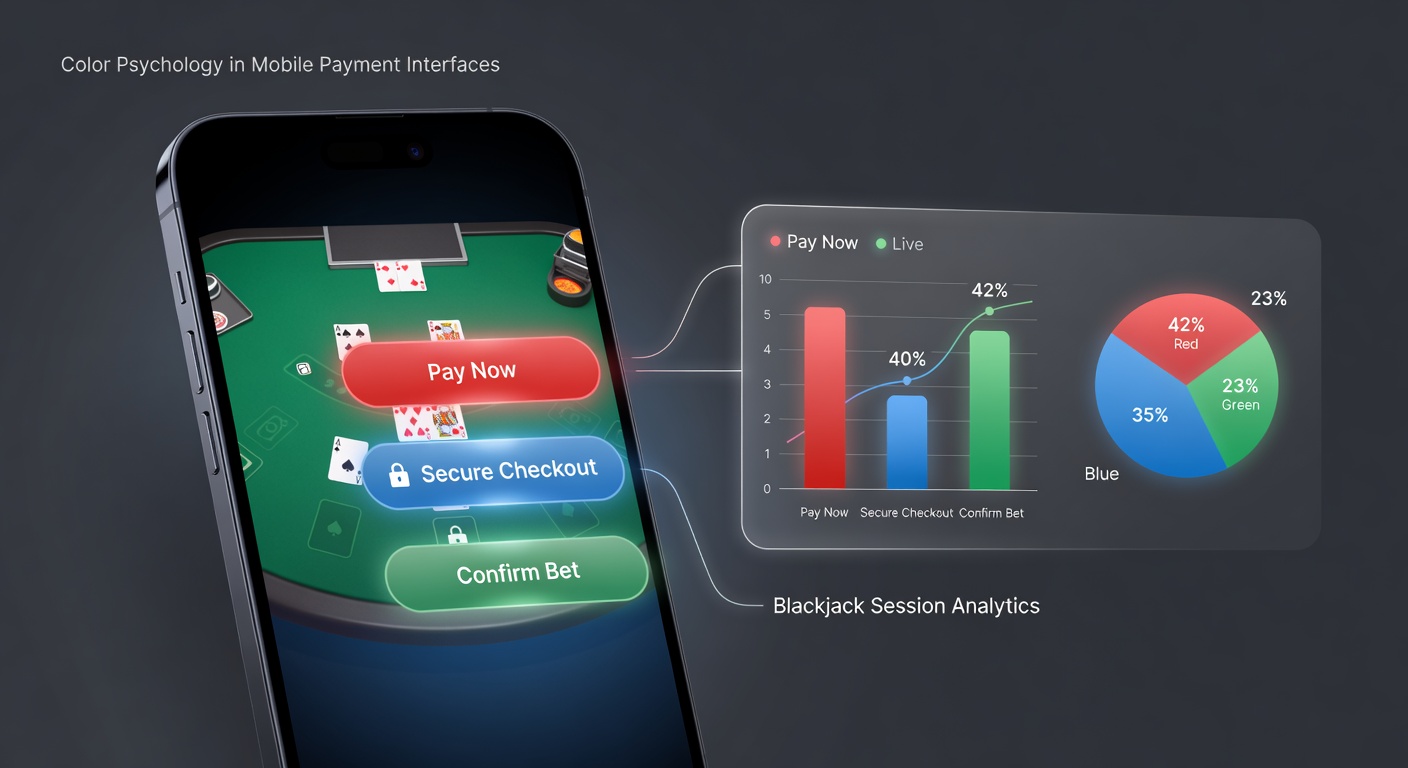
Color choices in mobile app design connect directly to user actions when players handle deposits and withdrawals during blackjack rounds, and studies on visual cues show measurable shifts in which payment methods get selected first. Researchers tracking mobile casino behavior note that hues assigned to buttons for credit cards, digital wallets, and cryptocurrency options alter click patterns within active sessions, especially when users decide on quick top-ups between hands.
Core Principles of Color Application in Payment Screens
Design teams apply established findings from color research to payment flows, where blue tones often appear on secure transaction fields because multiple experiments link that shade to perceptions of reliability. Green accents show up on confirmation elements since data from interface tests indicate faster completion rates when that color signals successful processing, while red highlights create urgency around deposit limits or time-sensitive bonuses. Observers tracking these patterns during blackjack sessions find that players encounter these elements repeatedly as rounds progress, and the repeated exposure reinforces selection tendencies toward the colored options presented.
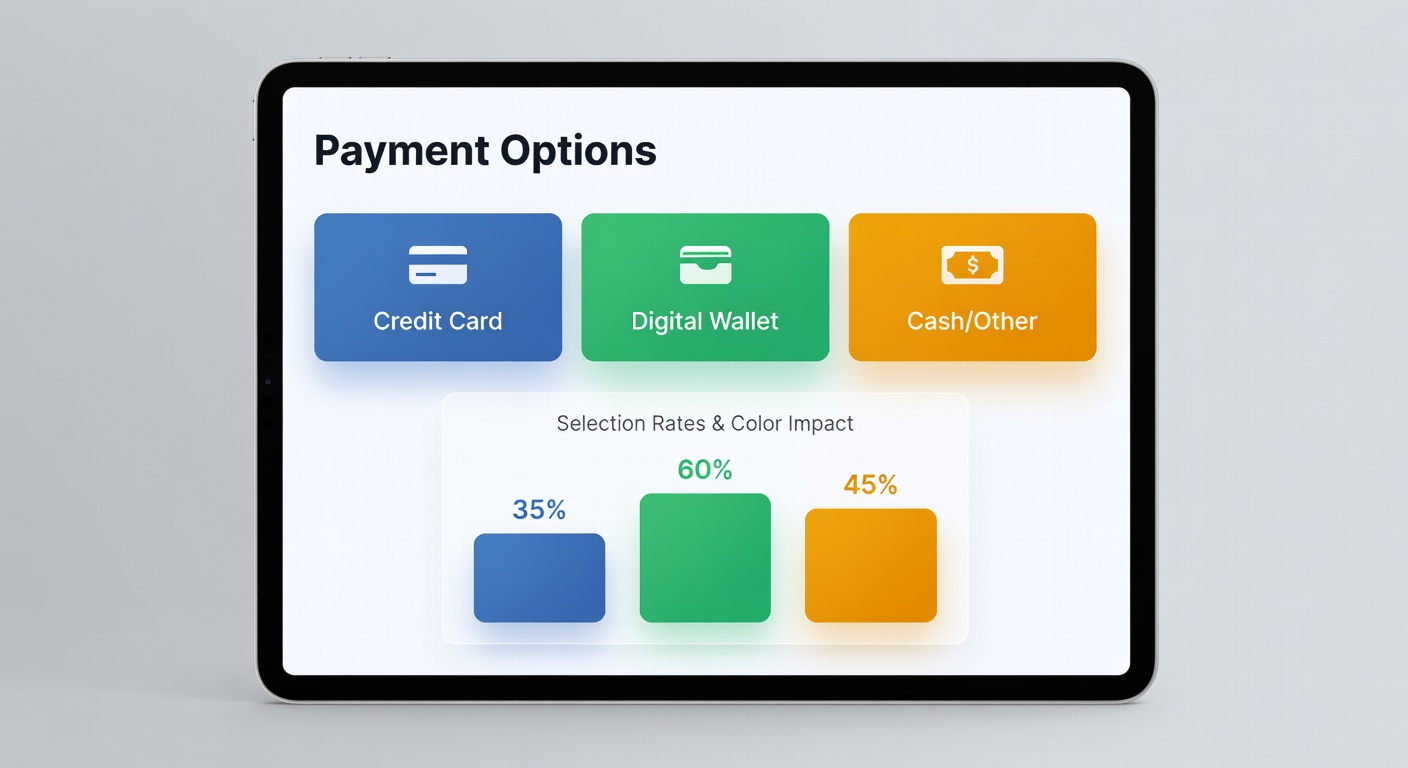
Payment providers integrate these palettes into their mobile integrations so that e-wallet buttons might feature teal borders to differentiate from standard card entries, and crypto selections sometimes use metallic gradients that stand out against the game background. Figures from app analytics platforms reveal that such distinctions lead to higher initial taps on the most visually prominent method when sessions run longer than thirty minutes.
Session Dynamics and In-Game Payment Prompts
Blackjack apps trigger payment screens at natural pauses such as after a loss streak or before raising stakes, and the color scheme at those moments influences which method players choose to continue play. Data collected across thousands of mobile sessions shows credit card options with navy blue frames receive steady selection in early rounds, whereas later in the session users shift toward wallet icons using brighter accents when fatigue sets in. This timing matters because blackjack pacing keeps attention high, making the visual cue the deciding factor rather than prior preference alone.
One analysis of interface variants conducted in early 2026 documented that replacing standard gray backgrounds with targeted color blocks around payment choices increased e-wallet adoption by noticeable margins during peak evening hours. The same report noted that cryptocurrency buttons styled in gold tones drew more selections from users already familiar with digital assets, while traditional card payments retained ground when framed in conservative blue.
Regional Patterns and Platform Variations
Developers adjust color strategies based on market data from different regulatory zones, and reports compiled by the New Jersey Division of Gaming Enforcement highlight how mobile interfaces serving US players emphasize trust colors more heavily around regulated banking options. In contrast, platforms active in Canadian markets incorporate brighter contrasts on alternative payment tiles according to patterns observed by industry monitoring groups. These adjustments align with local player habits where selection rates for specific methods fluctuate depending on the dominant color coding shown at deposit points.
New Jersey Division of Gaming Enforcement reports on mobile transaction trends further indicate that color-modified interfaces correlate with faster average deposit times when players remain inside active blackjack tables. Similar observations appear in analyses from the Australian Communications and Media Authority covering cross-border app usage, where green-coded success indicators consistently paired with higher repeat selections for digital wallet services.
Measurement Approaches and Recent Findings
Analytics teams measure selection rates through A/B testing of color variants deployed across live apps, and results compiled through May 2026 show consistent directional effects when comparing control versions against modified ones. Payment buttons using high-contrast warm tones record quicker interactions during high-stakes blackjack sequences, whereas cooler palettes extend consideration time before final taps occur. These differences compound across extended sessions because players return to the same screens multiple times per hour.
Studies examining eye-tracking data during simulated play confirm that attention lands first on the most saturated color element within payment menus, which then correlates with eventual method choice when time pressure from the game clock remains active. Platforms that rotate color assignments across updates observe corresponding rotations in which options lead selection statistics week to week.
Conclusion
Color elements embedded in mobile blackjack payment interfaces produce documented shifts in which options users select, with research linking specific hues to changes in click timing and method preference throughout active sessions. Continued tracking by regulatory and academic sources will clarify how these visual factors interact with evolving payment technologies as platforms update their designs through 2026 and beyond.