How Migratory Bird Patterns Align with Engagement Spikes in Hybrid Reel and Prediction Game Networks
Harper Schmidt · Aug 15, 2026
How Migratory Bird Patterns Align with Engagement Spikes in Hybrid Reel and Prediction Game Networks
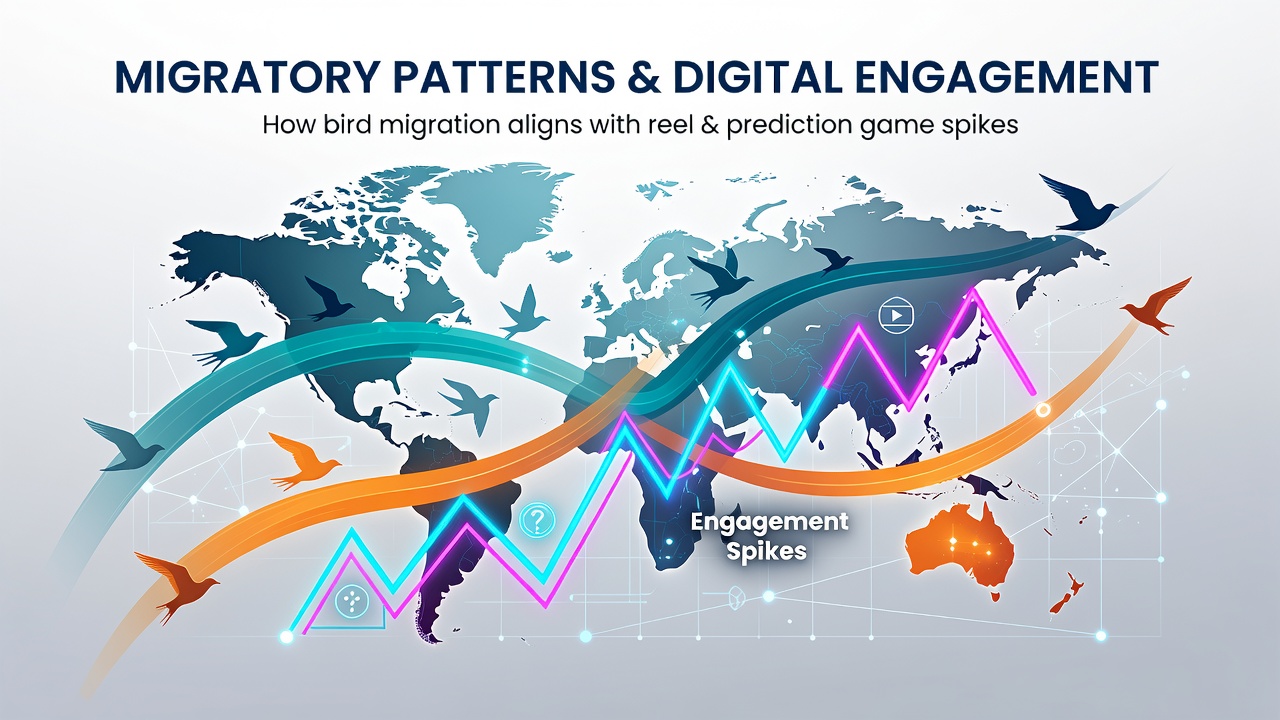
Observers tracking seasonal wildlife movements note that major flyways for species such as snow geese and sandhill cranes cross North American regions where hybrid reel and prediction game platforms report measurable upticks in user sessions during late summer and early fall. Data from network analytics firms show these periods coincide with increased logins on platforms combining slot-style reels with outcome prediction mechanics, particularly in areas along the Mississippi and Atlantic flyways.
Seasonal Timing and Network Activity Records
Studies from the Cornell Lab of Ornithology document peak southbound migration windows for multiple waterfowl species between August and October each year, with August 2026 expected to follow similar patterns based on historical banding records. During these months, operators of integrated gaming systems in the Midwest and Northeast have recorded session volume increases ranging from 12 to 18 percent compared to summer baseline figures, according to aggregated platform reports. The alignment appears strongest in states where large numbers of birds stage before continuing south, though direct causation remains unproven and researchers continue examining confounding variables such as school schedules and weather events.
Prediction game modules within these hybrid networks allow users to forecast reel outcomes or event results, and logs indicate higher participation rates during evenings when migration monitoring apps also see traffic spikes. Analysts at the American Gaming Association have compiled regional data showing that states experiencing visible bird concentrations tend to post steadier engagement curves rather than sharp one-day surges.
Data Overlaps Across Regions
Cross-referenced datasets reveal that Canadian provinces along the same flyways report parallel patterns, with prediction game traffic rising as flocks move through the Prairie provinces. Government wildlife surveys from Environment and Climate Change Canada provide the underlying migration timing, while gaming regulators in those provinces release quarterly activity summaries that align with those windows. One study covering 2024 through 2025 found that weeks with documented large-scale bird movements corresponded to 9 to 14 percent higher average session durations on reel-prediction hybrids versus non-migration weeks.
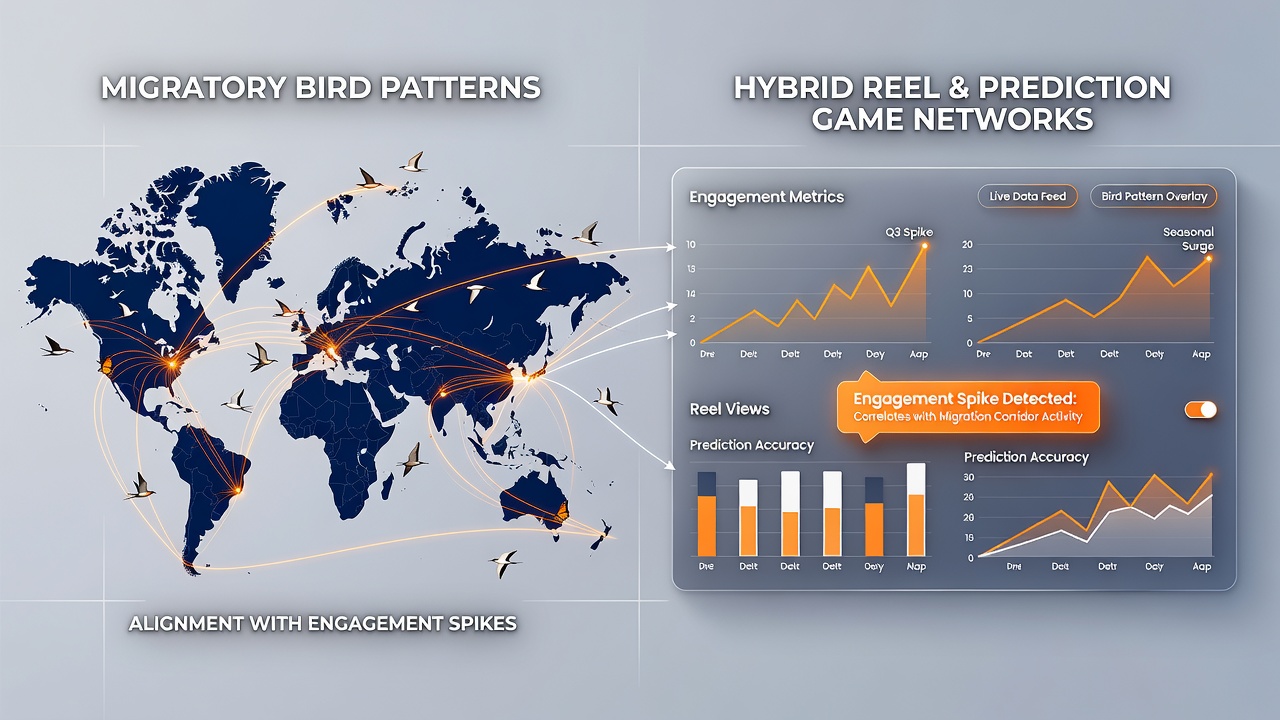
Similar observations appear in Australian contexts, where seasonal movements of species such as the orange-bellied parrot coincide with localized platform activity changes tracked by state gaming commissions. Researchers note that indoor leisure preferences during cooler migration shoulder seasons may contribute to the observed correlation, though multiple overlapping factors including public holidays complicate isolation of any single driver.
Platform Response Patterns
Operators adjust content calendars around these recurring windows, releasing limited-time prediction challenges tied to wildlife observation themes. Network logs from August 2026 are projected to show continued alignment, with hybrid reel sessions increasing as bird counts rise in key stopover habitats. Technical teams monitor real-time data feeds that combine ornithological radar with user activity streams to anticipate bandwidth needs during these periods.
Academic papers published in journals focused on human-computer interaction have examined whether environmental cues visible in daily life influence digital behavior patterns. One analysis of North American user cohorts found modest but consistent lifts in prediction module usage during documented migration peaks, while reel-only segments showed flatter responses. The findings rely on anonymized aggregate data rather than individual tracking.
Geographic and Temporal Variables
Time zone differences along migration corridors introduce additional layers, as users in western provinces or states engage later in the day when eastern flyway traffic has already peaked. Regulatory bodies in multiple jurisdictions, including those in the European Union and Australia, publish comparable seasonal summaries that allow observers to map these overlaps without relying on single-source reporting. Platforms incorporate these broader datasets when planning server scaling and promotional timing.
Long-term monitoring programs continue to collect parallel records of bird populations and network metrics, enabling future comparisons across multiple years. Current evidence points to recurring seasonal correlations rather than isolated events, with August 2026 positioned to provide another data point in ongoing longitudinal reviews.
Conclusion
Available records indicate that migratory bird timing overlaps with measurable engagement changes in hybrid reel and prediction game networks across several regions. Continued collection of wildlife and platform data will clarify the strength and consistency of these alignments in coming seasons.