How Regional Tax Policies Reshape Bonus Structures in Hybrid Poker-Sports Betting Apps
Cameron Long · May 21, 2026
How Regional Tax Policies Reshape Bonus Structures in Hybrid Poker-Sports Betting Apps
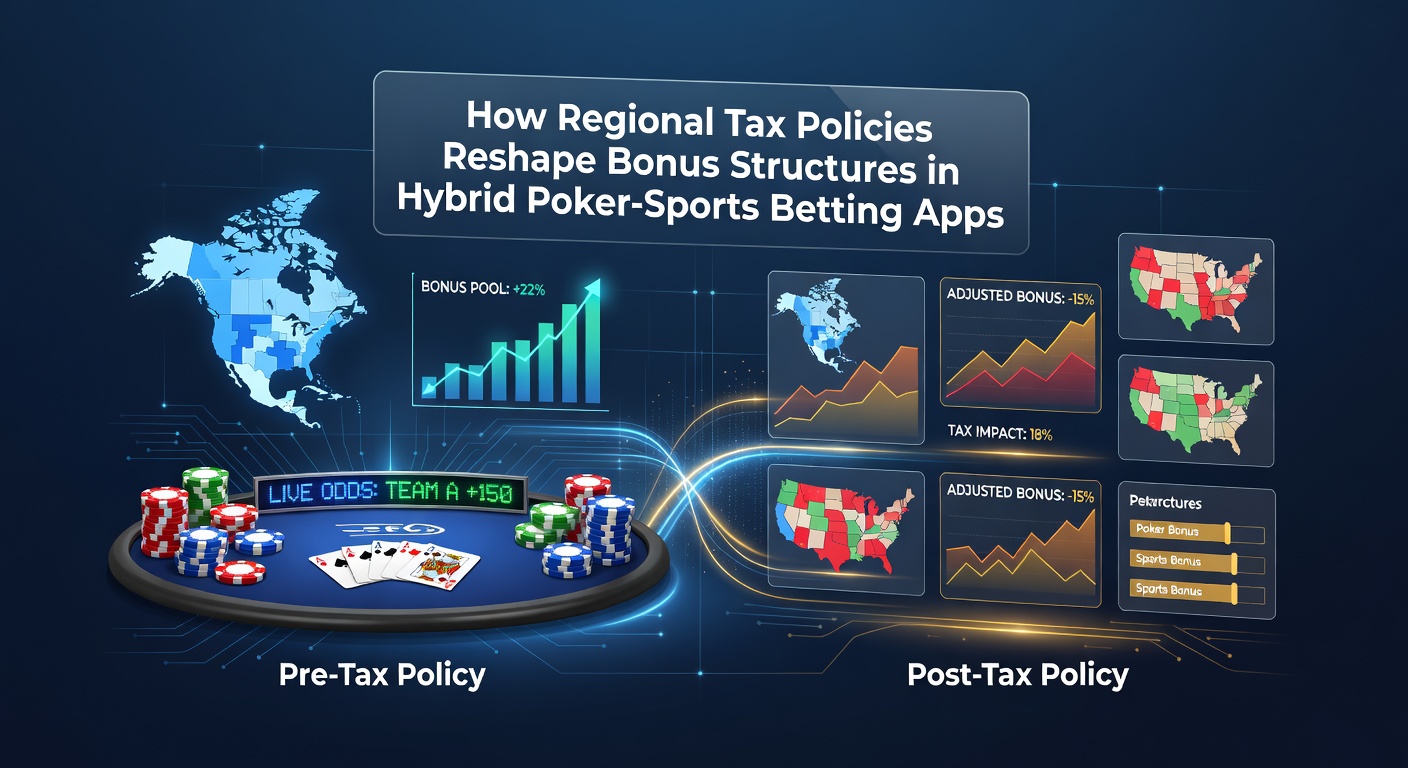
Operators in the hybrid gaming sector continue to adjust bonus frameworks as tax rules shift across jurisdictions, with changes often tied to how winnings and promotional credits receive treatment under local statutes. These adjustments appear most visibly in applications that merge poker rooms with live sports wagering, where a single deposit might unlock both table stakes and bet credits that carry different tax implications depending on the user's location. Research from academic institutions indicates that operators frequently redesign welcome packages and reload offers to offset withholding requirements that vary from one region to the next. In jurisdictions where operators bear direct responsibility for remitting taxes on promotional value, bonuses tend to shift toward non-cash rewards such as tournament entries or risk-free bets rather than straight deposit matches. This pattern emerged clearly during regulatory updates rolled out in several North American markets ahead of May 2026, when certain provincial and state authorities clarified reporting thresholds for combined gaming platforms.Tax Treatment Variations Across Key Markets
North American frameworks illustrate the point effectively. Data compiled by the Internal Revenue Service shows that US operators must account for federal reporting on bonuses exceeding specific thresholds, prompting many hybrid apps to cap free-play amounts or convert them into loyalty points that defer taxable events. Canadian provinces apply different rules, with some treating sports-betting credits as separate from poker rake rebates, leading developers to segment bonus pools by product type within the same application.
European markets demonstrate further divergence. Several member states impose value-added tax components on gaming turnover while others focus taxation solely on gross gaming revenue, which influences whether operators front-load or spread bonus releases across multiple sessions. Observers note that these distinctions encourage the use of time-limited offers that expire before certain fiscal reporting periods close, reducing the operator's overall liability exposure.
Operational Adjustments in App Design
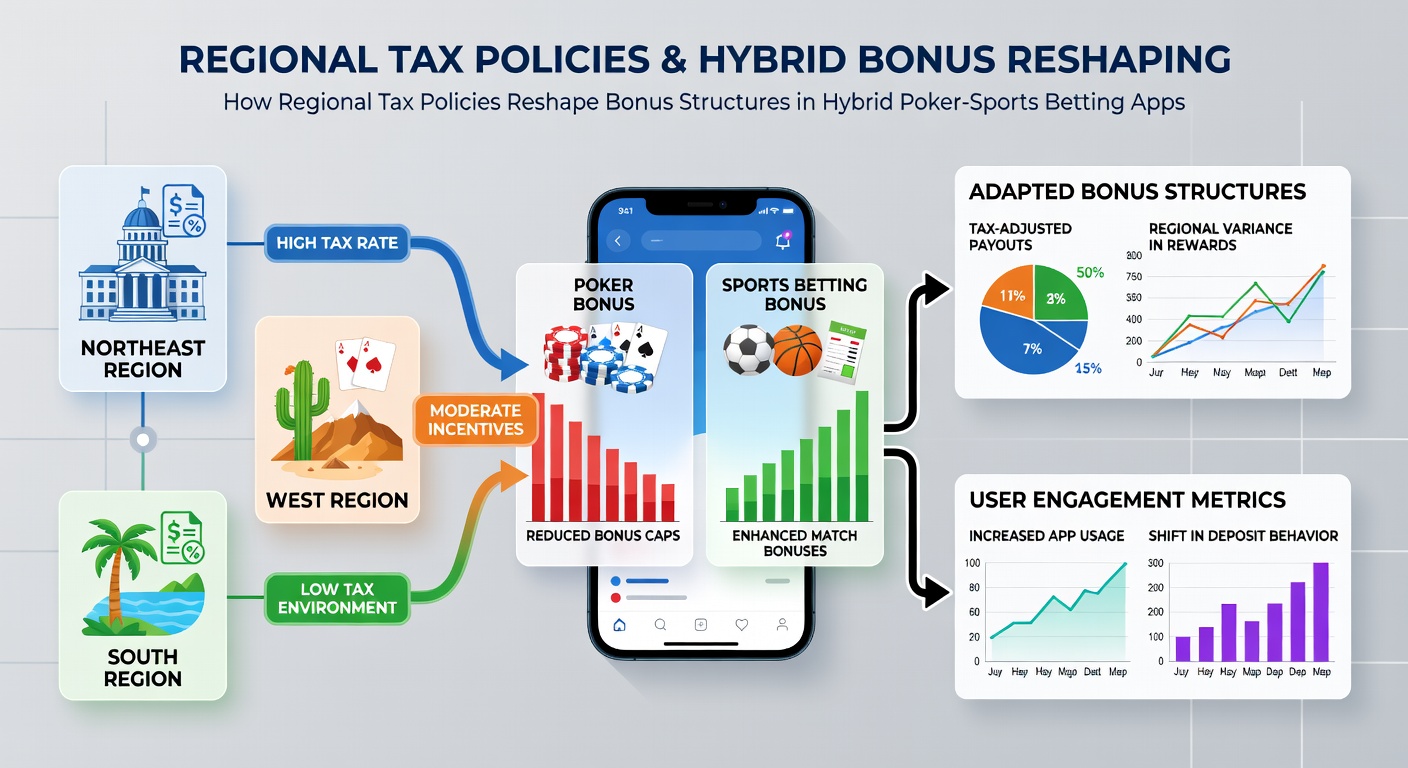
Hybrid platforms respond by embedding region-detection tools that automatically tailor bonus displays and terms to the user's detected location. When a player logs in from a high-tax jurisdiction, the interface may emphasize cashback structures over upfront bonuses because cashback often receives more favorable treatment under local rules. Conversely, lower-tax regions see continued promotion of larger match bonuses because the net cost to the operator remains manageable after compliance deductions.
Developers have also introduced modular bonus engines that allow quick reconfiguration without full app updates. These engines separate poker-specific rewards, such as sit-and-go ticket credits, from sports-betting free bets, enabling operators to apply distinct tax calculations to each component. Figures released by the Australian Taxation Office reveal that similar segmentation practices reduced administrative overhead for operators serving cross-border users during recent fiscal quarters.
Player Behavior and Bonus Redemption Patterns
Studies from research institutions tracking global gaming trends show measurable shifts in how users interact with restructured bonuses. In regions where tax policies increased the effective cost of deposit matches, redemption rates for poker tournament tickets rose while sports-betting credits saw slower uptake. This split occurs because tournament entries often carry lower immediate tax recognition than straight wagering credits, allowing players to extract value without triggering early withholdings.
Operators track these patterns through anonymized session data that feeds back into bonus calibration algorithms. When redemption clusters appear in specific product areas, the system adjusts future offers to maintain engagement levels without inflating taxable promotional volume. Such feedback loops have become standard in platforms that operate across multiple regulatory zones simultaneously.
Future Outlook and Compliance Tools
Industry reports suggest continued refinement of compliance modules as more jurisdictions finalize digital gaming tax guidelines. Hybrid apps increasingly rely on geofencing combined with real-time tax tables that update bonus parameters the moment a user crosses regulatory boundaries. These tools help maintain consistent user experiences while ensuring that promotional structures align with the latest statutory requirements in each market.
Conclusion
Regional tax policies continue to drive structural changes in how hybrid poker and sports-betting applications present and deliver bonuses. The adaptations range from segmented reward pools and modular engines to automatic location-based displays, all designed to keep operators compliant while sustaining user participation across diverse regulatory environments. As additional jurisdictions clarify their approaches in the coming periods, further refinements to these bonus frameworks remain likely.