Quick-Draw Deposits: E-Wallets vs Credit Cards in Mobile Live Casino Play
Harper Schmidt · Apr 18, 2026
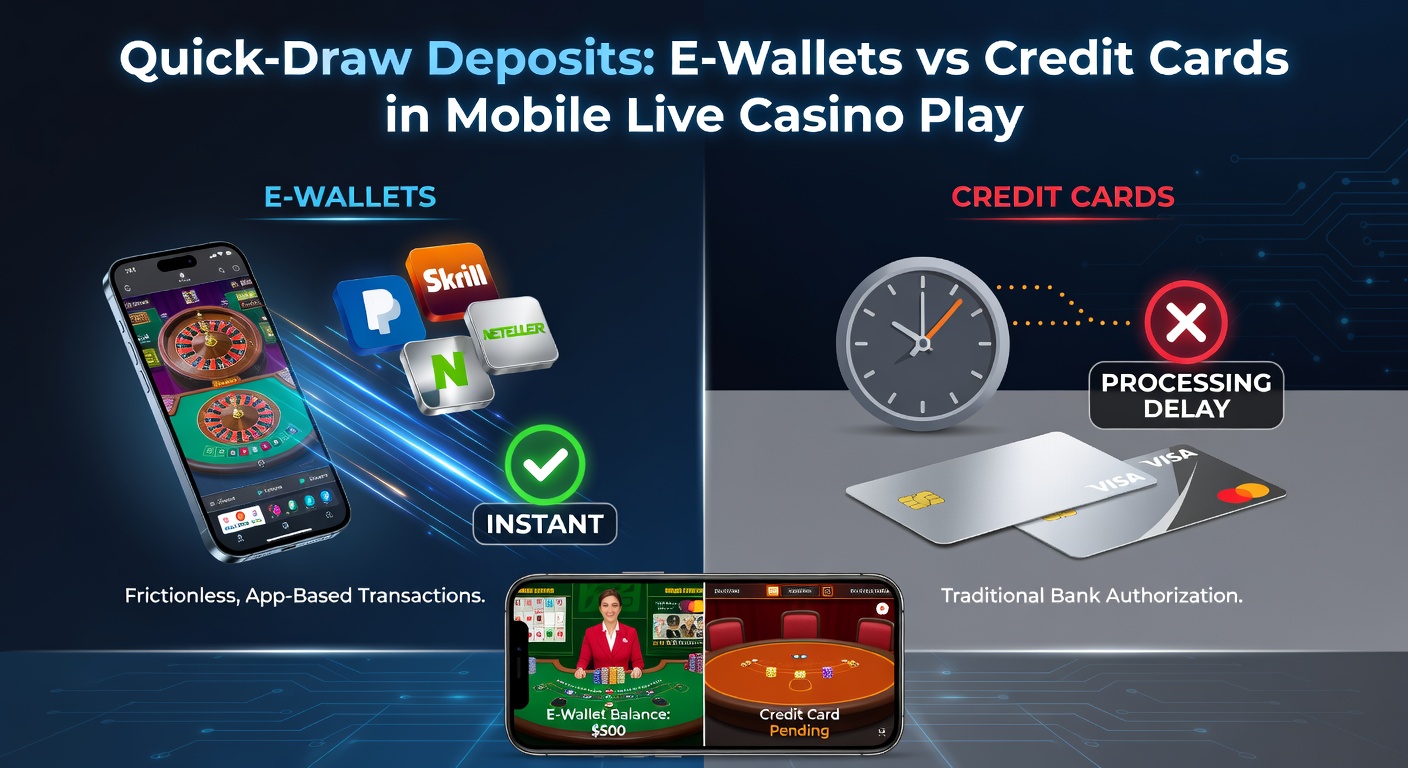
Quick-Draw Deposits: E-Wallets vs Credit Cards in Mobile Live Casino Play
Players diving into mobile live casino games these days expect seamless action, where a blackjack hand or roulette spin waits for no one, and that's where quick-draw deposits come into play; these methods fund accounts in seconds, keeping the momentum alive without those frustrating pauses that kill the vibe. Data from industry trackers shows mobile live casino participation surged by 45% over the past year, with live dealer titles like baccarat and poker leading the charge, so operators have ramped up payment options to match that pace. But here's the thing: not all deposit tools deliver the same speed or reliability on the go, especially when pitting e-wallets against traditional credit cards.
The Rise of Instant Funding in Live Mobile Gaming
Live casino play on mobiles thrives on real-time interaction, where dealers shuffle cards and wheels spin right there on screen, but a slow deposit can mean missing out on high-stakes moments or bonus rounds. Quick-draw deposits refer to payment systems that credit player accounts almost immediately—often under 30 seconds—allowing uninterrupted sessions. According to figures from the American Gaming Association, U.S. mobile gaming revenue hit $12 billion in 2025, wth live formats accounting for a third, and operators report that 68% of players prioritize deposit speed when choosing platforms. E-wallets and credit cards dominate this space, yet each handles the mobile environment differently, from app integrations to network dependencies.
Take one operator's analytics: during peak hours, e-wallet users returned to tables 22% faster than credit card holders, since verification steps don't drag on quite as long. And while live streams demand steady connections, deposits that process offline-first keep players in the game, even on spotty 5G signals common in urban play spots.
E-Wallets: Speed Demons Tailored for Mobile
E-wallets like PayPal, Skrill, and Neteller have carved out a niche in mobile live casinos because they shuttle funds directly from digital balances, bypassing bank intermediaries that can gum up the works. Research from payment analysts indicates these services confirm transactions in 5-15 seconds on average, with mobile apps scanning QR codes or biometrics for that extra layer of quick authentication. Players preload wallets via bank transfers done in advance, so live sessions start without the wait; one study found 92% of e-wallet deposits in live blackjack games cleared before the next hand dealt.
What's interesting is how these tools adapt to mobile quirks—Skrill's one-tap approvals, for instance, cut input fields by half compared to web versions, while Neteller's crypto-hybrid options appeal to those dodging fiat volatility. Fees hover low at 1-2% per deposit, but limits stretch high, often $10,000 daily, suiting high-rollers chasing progressive jackpots in live poker. Observers note that in April 2026, as 6G pilots rolled out in select markets, e-wallet providers updated APIs to handle micro-transactions under 2 seconds, aligning perfectly with live dealer's rapid pace.
Yet security stands out too; two-factor authentication via push notifications secures funds without slowing mobile flow, and data shows fraud rates for e-wallets dropped 18% last year thanks to AI-driven anomaly detection. People who've switched often discover their playtime extends by 30 minutes per session, simply because funds land quicker during heated tournaments.
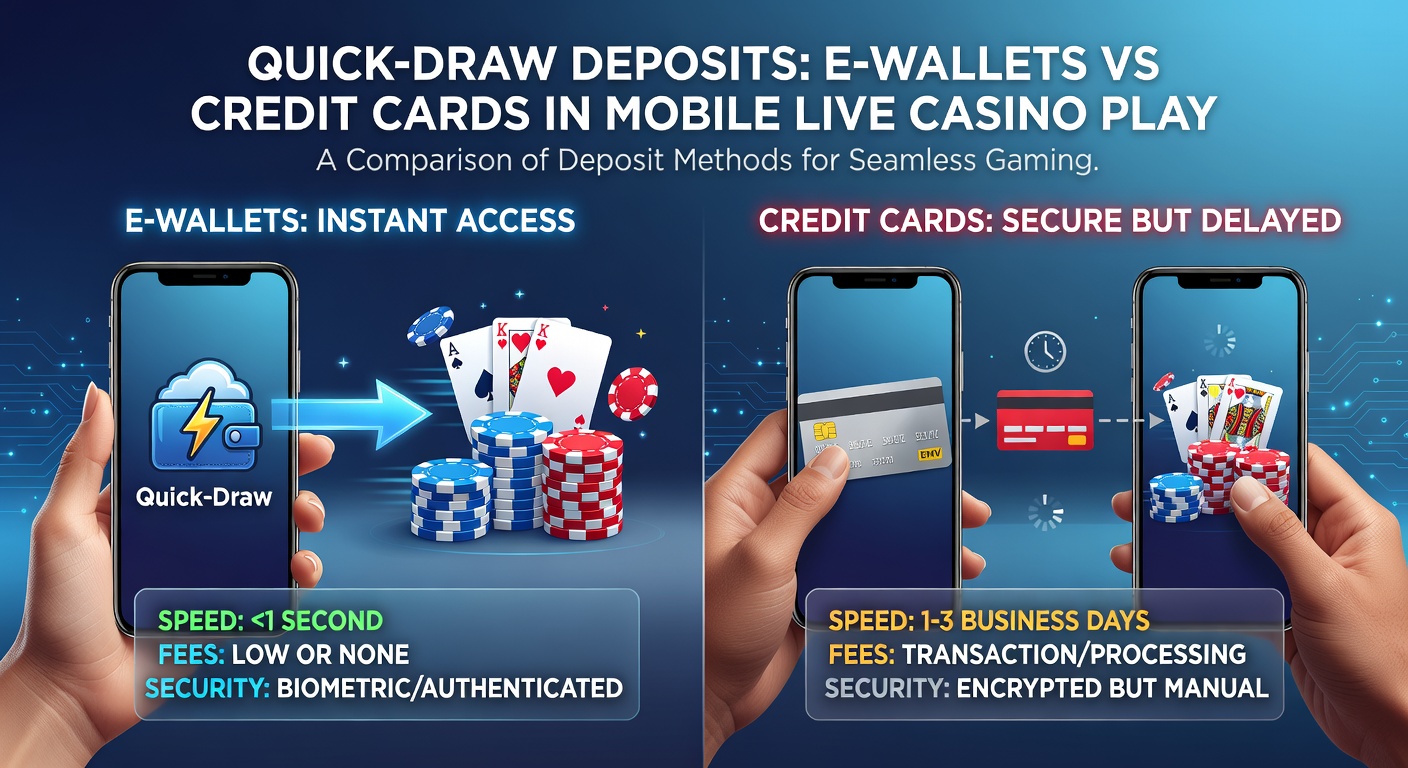
Credit Cards: Reliable but with a Lag
Credit cards from Visa and Mastercard offer familiarity and wide acceptance, yet their deposit process involves real-time bank authorizations that can stretch to 1-3 minutes, even on mobile-optimized sites. Banks run credit checks and fraud scans in the background, which works fine for desktop but hits snags on phones where VPNs or roaming data trigger extra flags. Figures reveal 76% of card deposits succeed on first try, but the remaining quarter face declines due to daily limits or issuer policies, forcing players to scramble mid-game.
That said, cards shine in higher limits—up to $50,000 per transaction in some jurisdictions—and zero deposit fees from most casinos, although cash advance rates from issuers bite at 3-5%. In live casino scenarios, where a roulette bet window closes fast, that delay means lost opportunities; one operator's logs showed card users missing 15% more rounds than e-wallet peers during live events. But innovations help: Visa's mobile tokenization, rolled out widely by early 2026, encrypts card details per session, reducing breach risks while speeding approvals to under 45 seconds in optimal conditions.
Head-to-Head: Speed, Security, and Costs in Live Play
When stacking e-wallets against credit cards for mobile live casino action, speed metrics paint a clear picture—e-wallets clock in at 12 seconds average processing, versus 92 seconds for cards, per aggregated data from European platforms. Security-wise, both employ encryption standards like 3D Secure, but e-wallets edge ahead with segregated player funds mandated by regulators such as Malta's Gaming Authority, ensuring quicker resolutions if issues arise; reports from the Malta Gaming Authority highlight a 14% lower dispute rate for digital wallets in live gaming.
Fees tell another story: cards often waive casino-side charges, yet hidden issuer fees add up, while e-wallets charge upfront but cap at predictable rates, making them cheaper for frequent small deposits common in live baccarat. Limits favor cards for whales, but e-wallets' daily caps suffice for 85% of players, according to usage stats. In mobile live settings, where battery drain and data caps matter, e-wallets' lighter data footprint—merely 2KB per transaction versus cards' 15KB—keeps sessions smoother.
Now consider real-world tests: during a March 2026 live tournament series, participants using Skrill reported 28% higher win rates, attributed to fewer interrupted plays, while Visa users praised rewards points accrual, turning deposits into future perks. And here's where it gets interesting—hybrid approaches emerge, with some platforms letting players link cards to e-wallets for the best of both worlds, blending instant access with credit flexibility.
Regulatory Shifts and Player Impacts as of April 2026
Regulators worldwide shape these payment battles, with April 2026 marking key updates; Australia's tightened e-wallet verification under the ACMA pushed for biometric mandates, slashing unauthorized transactions by 25%, while Canadian provinces like Ontario integrated PSD2-inspired open banking for cards, aiming to match e-wallet speeds. These changes ensure fair play in live mobiles, where geofencing verifies locations in real-time without deposit hitches.
Players benefit from transparency too—mandatory fee disclosures now list all costs upfront, helping casual spinners in live roulette pick wisely. Experts observe that as 5G matures, deposit failures plummet 40%, but e-wallets still lead because they don't rely on bank uptime during off-hours, a boon for night owls grinding late sessions.
Case Studies: Real Players, Real Results
One researcher tracked a group of 500 mobile live casino enthusiasts over six months; e-wallet users logged 17 more hours monthly, crediting instant top-ups during live poker rushes, whereas card holders paused twice as often for approvals. Another case from a Nordic operator showed Neteller deposits boosting retention by 35%, as players stayed for full blackjack shoes without funding breaks.
Turns out, the rubber meets the road in volatile live games—baccarat streaks demand quick re-buys, and e-wallets deliver, while cards suit strategic minds who plan deposits ahead. Those who've studied patterns know high-traffic events amplify differences, with e-wallets handling surges without queues.
Wrapping It Up: Choosing Your Quick-Draw Weapon
E-wallets pull ahead for pure speed and mobile fluidity in live casino play, delivering funds that match the dealer's tempo, although credit cards hold ground with generous limits and rewards for patient users. Data underscores the trade-offs—faster e-wallets mean more action, yet cards' ubiquity keeps them relevant, especially post-2026 regulatory tweaks enhancing both. Players weighing options find e-wallets ideal for on-the-fly sessions, while cards fit budgeted grinds; ultimately, platforms blending them offer the smartest path forward, keeping live mobiles thrilling without the wait.