Suburban Expansion Patterns and Evolving Habits in Multi-Game Digital Betting Environments
Anna Lehmann · Aug 13, 2026
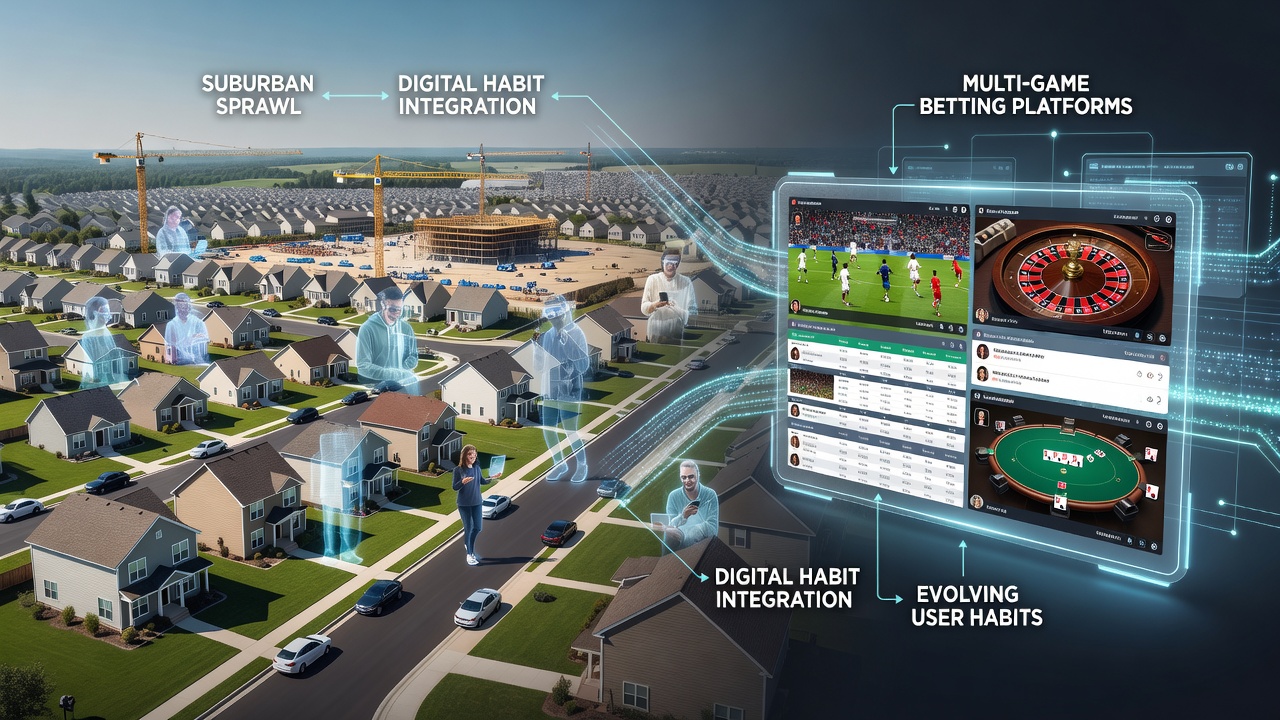
Suburban Expansion Patterns and Evolving Habits in Multi-Game Digital Betting Environments
Suburban expansion has accelerated across North America and parts of Europe and Asia since the early 2020s, with census records showing population shifts outward from urban cores into previously undeveloped or lightly settled areas, and these movements coincide with changes in how residents access multi-game digital betting platforms that combine slots, poker, sports wagers, and live dealer tables on single mobile or home interfaces.
Figures released by Statistics Canada in mid-2026 documented a 14 percent increase in suburban households outside major metropolitan zones between 2021 and 2025, a trend driven by remote work policies and housing affordability pressures that pushed families toward larger lots and newer developments equipped with high-speed fiber connections.
Demographic Shifts Fueling Digital Access
Those who track residential patterns note that new suburban communities often feature younger median ages and higher rates of smartphone ownership, conditions that align with rising participation in digital betting environments where users switch between game types without leaving a single app or site. Data from the Australian Bureau of Statistics similarly recorded suburban growth corridors around Sydney and Melbourne expanding by double-digit percentages, with accompanying increases in household broadband subscriptions that support uninterrupted sessions across multiple betting formats.
Researchers examining usage logs from integrated platforms report that subscribers in these expanding zones show elevated session lengths during evening hours, a pattern that emerges after commuters settle into homes farther from city centers and begin layering short sports bets with longer poker or slots play within the same account.

Platform Features Adapting to New Routines
Multi-game environments have incorporated features such as cross-title loyalty points and synchronized deposit systems that appeal to suburban users who value convenience over travel to physical venues. Industry reports compiled by the Canadian Gaming Association indicate that account creation rates from postal codes classified as suburban rose steadily through 2025 and into August 2026, coinciding with infrastructure upgrades that reduced latency for live dealer streams.
Observers note that these environments allow quick toggling between predictive sports markets and chance-based table games, a flexibility that matches fragmented leisure time in households where commutes have lengthened and discretionary hours occur in scattered blocks rather than extended urban outings.
Connectivity and Regulatory Context
Expansion of 5G coverage into suburban rings has further supported real-time adjustments in bet sizing and game selection, while regulatory frameworks in different jurisdictions shape how operators structure bonuses and verification processes for new users in these areas. European data aggregators tracking operator filings show that platforms serving growing residential belts outside traditional city limits experienced higher average daily active users during periods when local events or seasonal sports calendars overlapped with digital offerings.
One study released by a research consortium affiliated with the University of Nevada Reno tracked device telemetry and found that suburban zip codes generated distinct patterns of multi-title engagement compared with denser urban or rural samples, particularly in the frequency of switching between athletic prediction interfaces and casino-style modules during single log-in periods.
Conclusion
Records from government statistical agencies and gaming oversight bodies continue to document how outward residential movement intersects with habits formed around always-available digital betting suites, producing measurable differences in session composition and game variety selection that reflect the daily rhythms of suburban life. These patterns are expected to remain visible in subsequent reporting cycles as infrastructure and population distributions continue their established trajectories.